
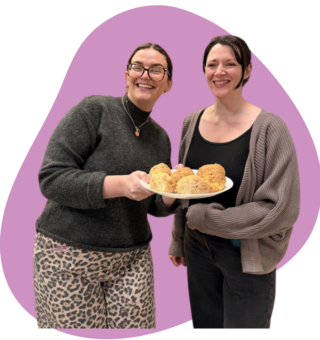
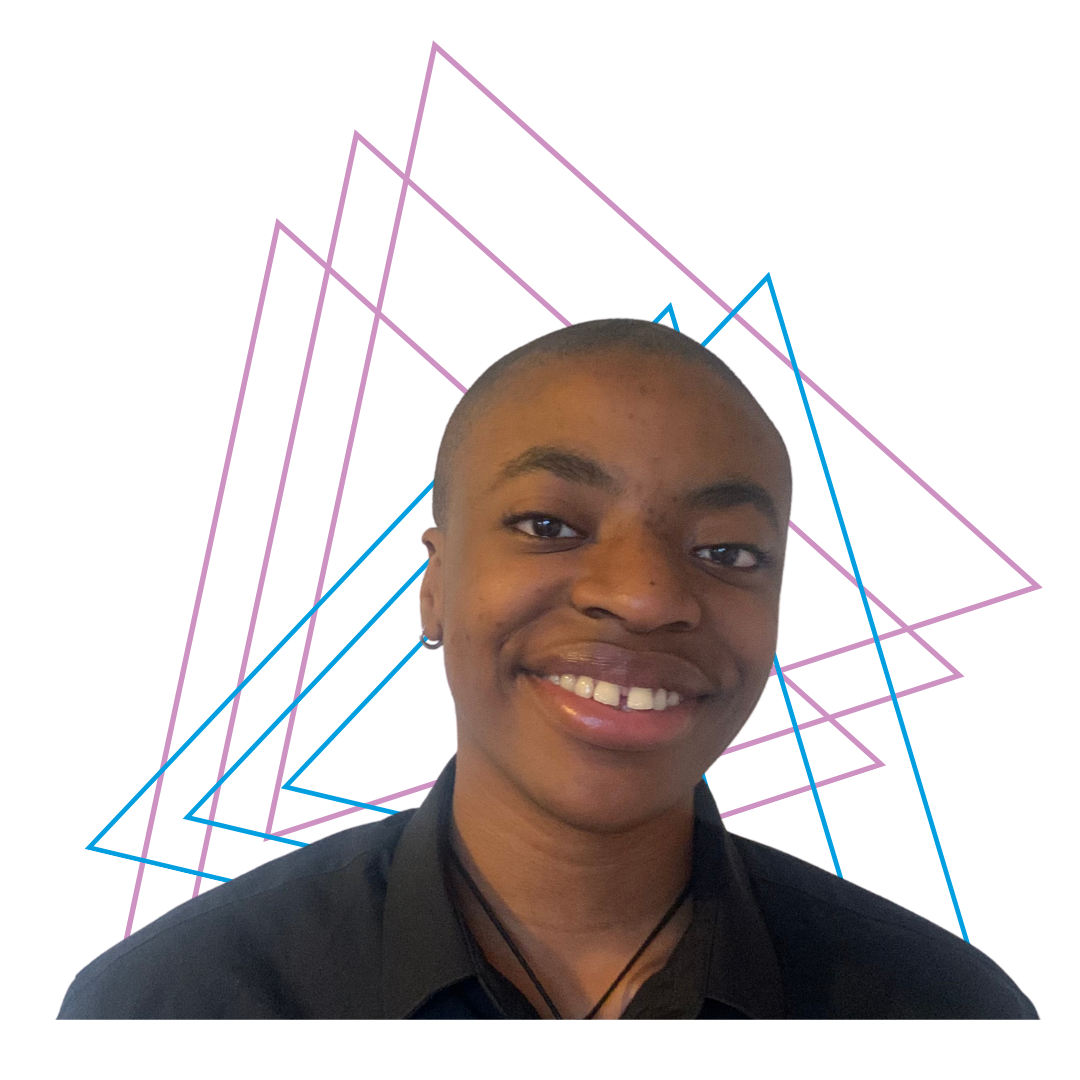
Hi, we’re Nancy and Louise!
We’re occupational therapy students from Brighton University, who’ve spent the past six weeks on placement with Amazing Futures. We’ve been helping support and run groups for young people with special educational needs and disabilities in Eastbourne, Bexhill and Heathfield.
Read on to learn what occupational therapy is, what we’ve been up to over the past six weeks, and what our favourite bits have been.
 What is occupational therapy?
Occupational therapists support people to take part in meaningful everyday activities — the things that give our lives structure, purpose, and identity.
It’s called “occupational therapy” because we use occupation (doing activities or tasks) to support with therapy.
You might see occupational therapists in the hospital, in schools or supporting people in the community.
What we’ve been doing at Amazing Futures
We’ve focused on supporting you to try new activities, build confidence and self-advocacy skills, and become more aware of opportunities available in your local community.
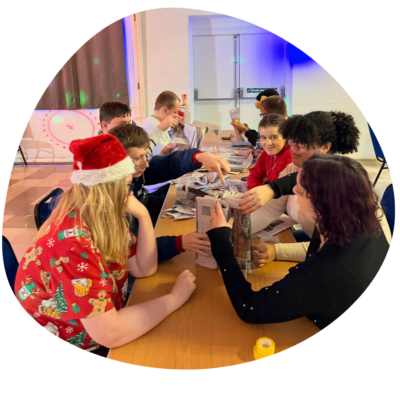
We’ve run pottery, baking and walking sessions. These helped you to learn and develop your skills, whilst providing a fun opportunity to socialise with friends.
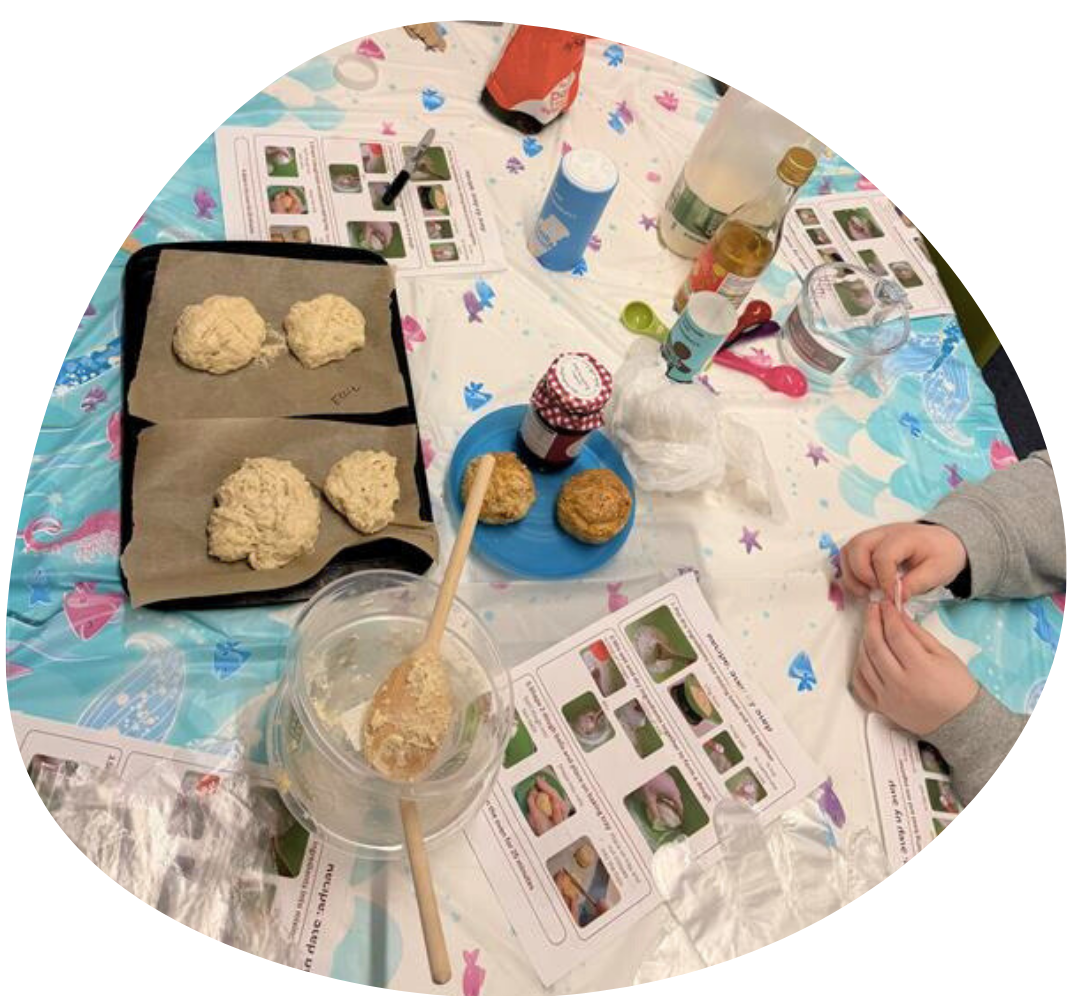
For example, in our baking session, we made soda bread rolls and enjoyed them together as a group. This was a fun and practical way to develop everyday life skills like problem-solving, resilience, communication, and asking for help when needed. It was especially great to see some young people who don’t usually take part in structured activities choosing to get involved.

"I loved it and tried it - scary but yummy"
"Fun open-ended activity"
"Enjoyed it, would likely do it again"
"It was very therapeutic"
"I enjoyed making bread because I've never done it before and it was something new to make and try"
 Nancy’s favourite bits:
 Baking sessions – It was brilliant to see the young people getting involved and trying something new – despite it getting a little messy! The reward of the lovely soda bread and jam after the baking was also a nice treat.
Bowling trip – It was a fun evening with lots of chatting, bowling, and some exciting arcade games. It was good to see everyone enjoying themselves.
Youth groups – It’s such a welcoming and friendly environment. It’s been great getting to know all the young people and seeing some of the incredible creations they have made from clay during the pottery sessions.
 Louise’s favourite bits:
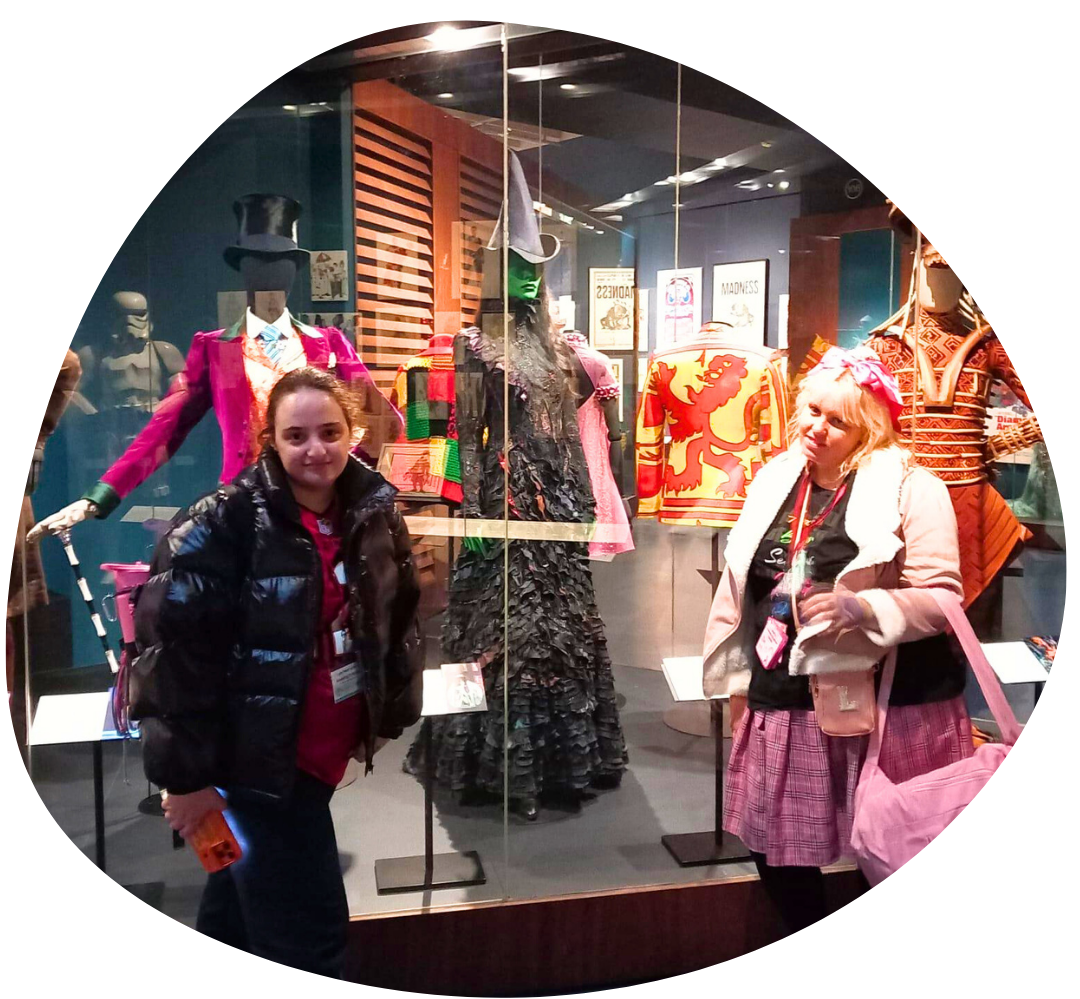
Museum trip – The trip encouraged social interaction, independence, and confidence when navigating transport and community spaces. I saw some young people overcome significant anxieties, to be rewarded with an experience that clearly meant a lot to them.
Youth voice day – It was great seeing young people share their thoughts and ideas about Amaze and the wider community. The activities were fun and interactive, and young people were made to feel safe and valued. This highlighted the importance of involving young people in decisions about the opportunities available to them – a key learning point I will take with me.
Personal development – Overall, my placement helped me to grow in confidence and develop my professional identity, whilst seeing first-hand the positive impact that meaningful activities can have. It also showed how occupational therapy can work alongside youth services to support young people to take part in activities that matter to them, by helping to build confidence, develop practical skills, and feel a sense of belonging as they transition into adulthood.
 Thank you so much to the Amazing Futures team and all the young people for being so kind and welcoming during our time with you!
 Try the activities yourself
Nancy and Louise left ⬇️ step by step instructions [pdf 4mb] for the activities they ran, so you can do them yourself at home!
- make a coaster from clay
- bake your own soda bread rolls
- go for a walk along Bexhill seafront
They also put together a handout with some ideas for ⬇️ activities to do in Heathfield and Bexhill [pdf 1mb]
 About the role
 Online Q&A session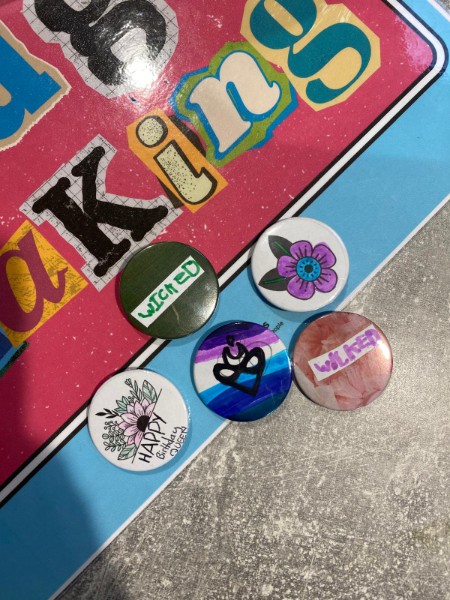
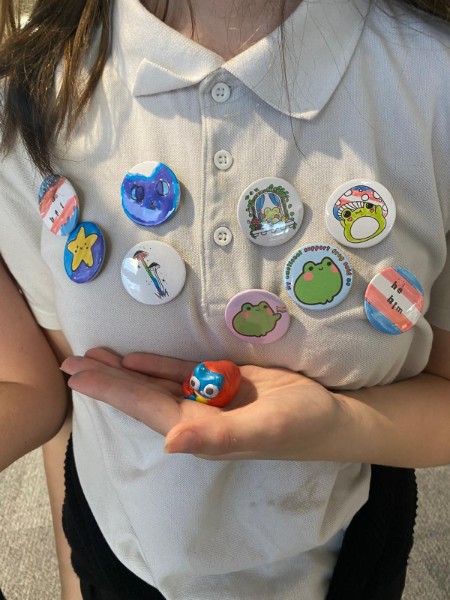
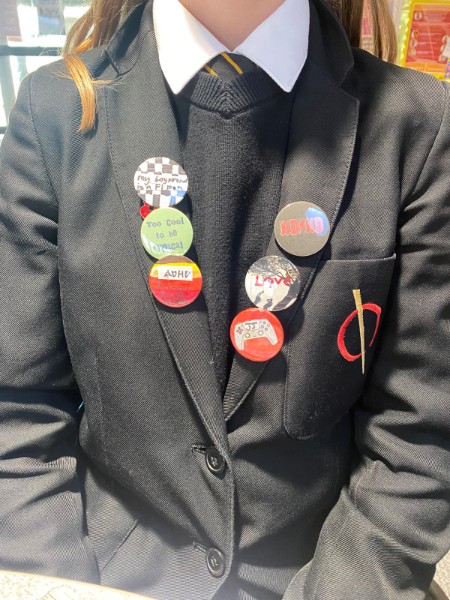
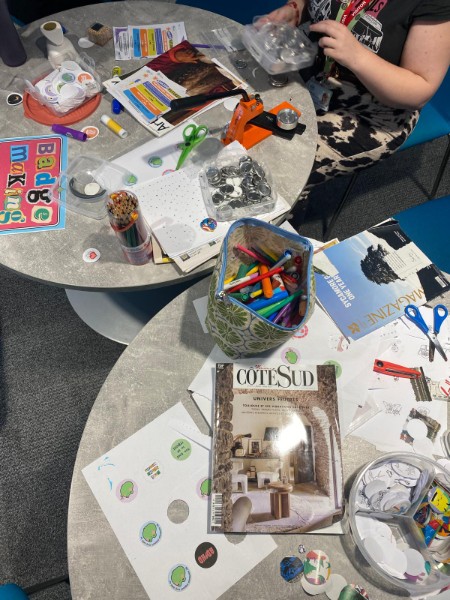
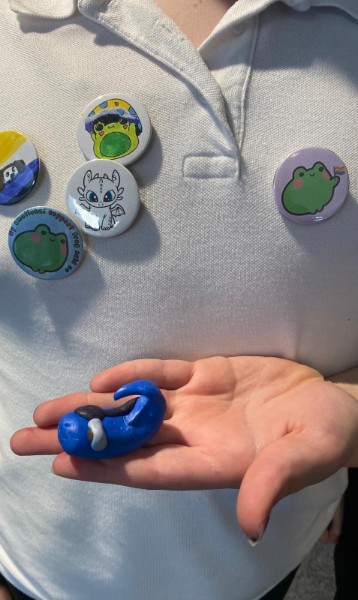
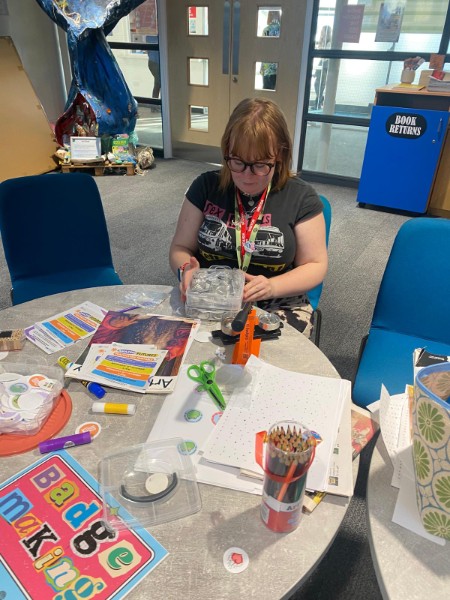

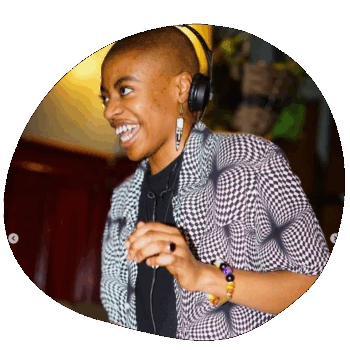
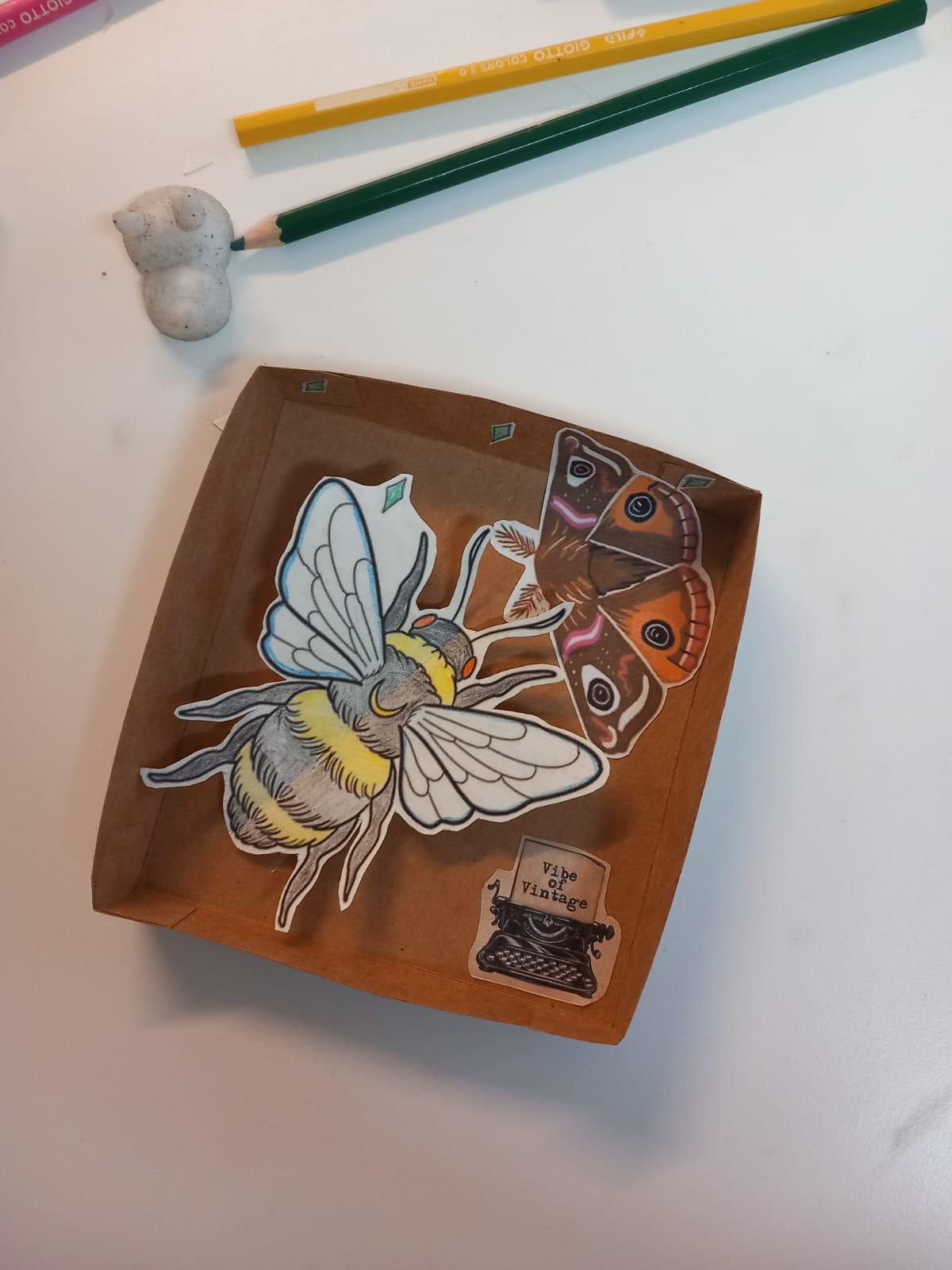
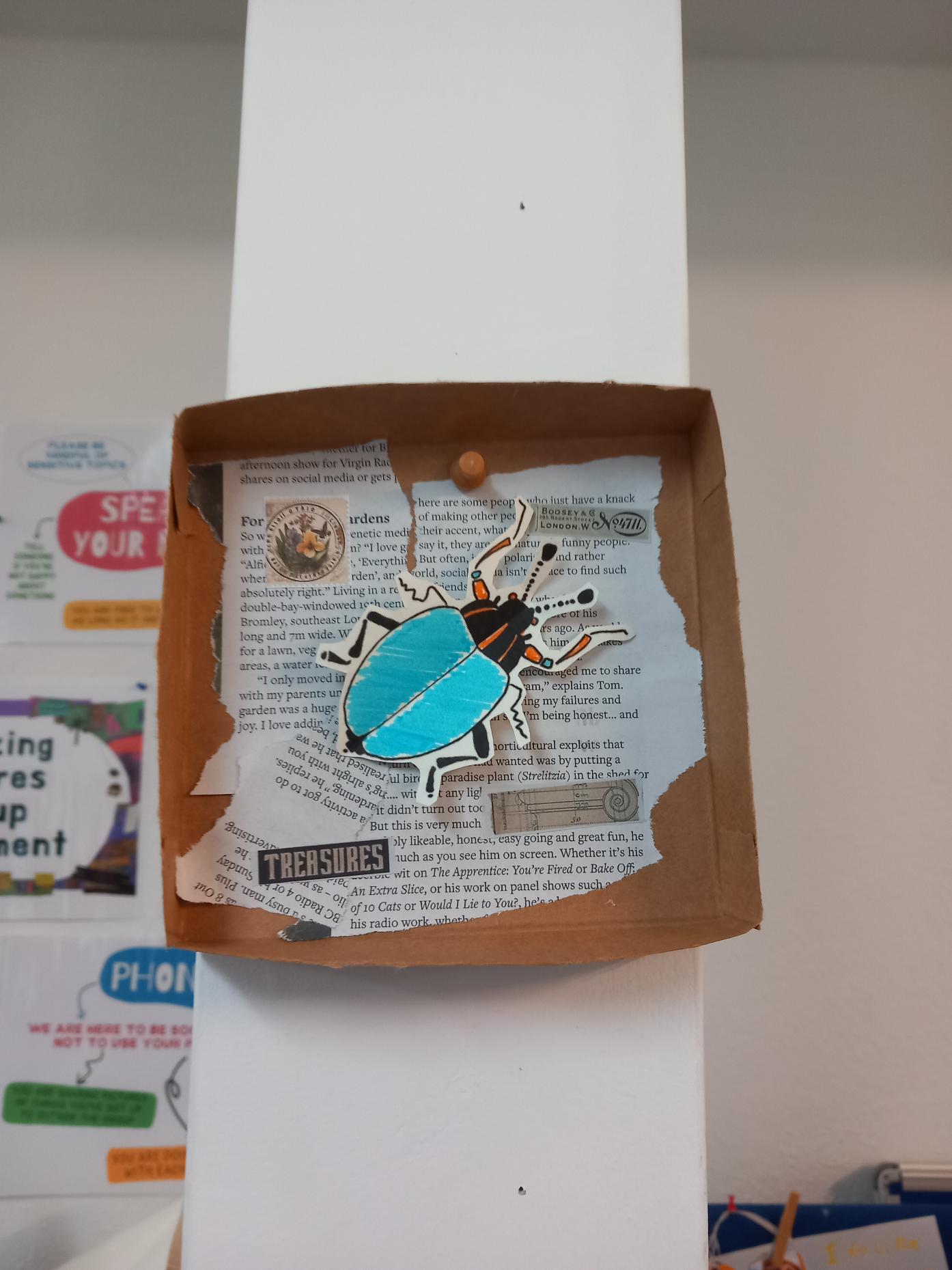
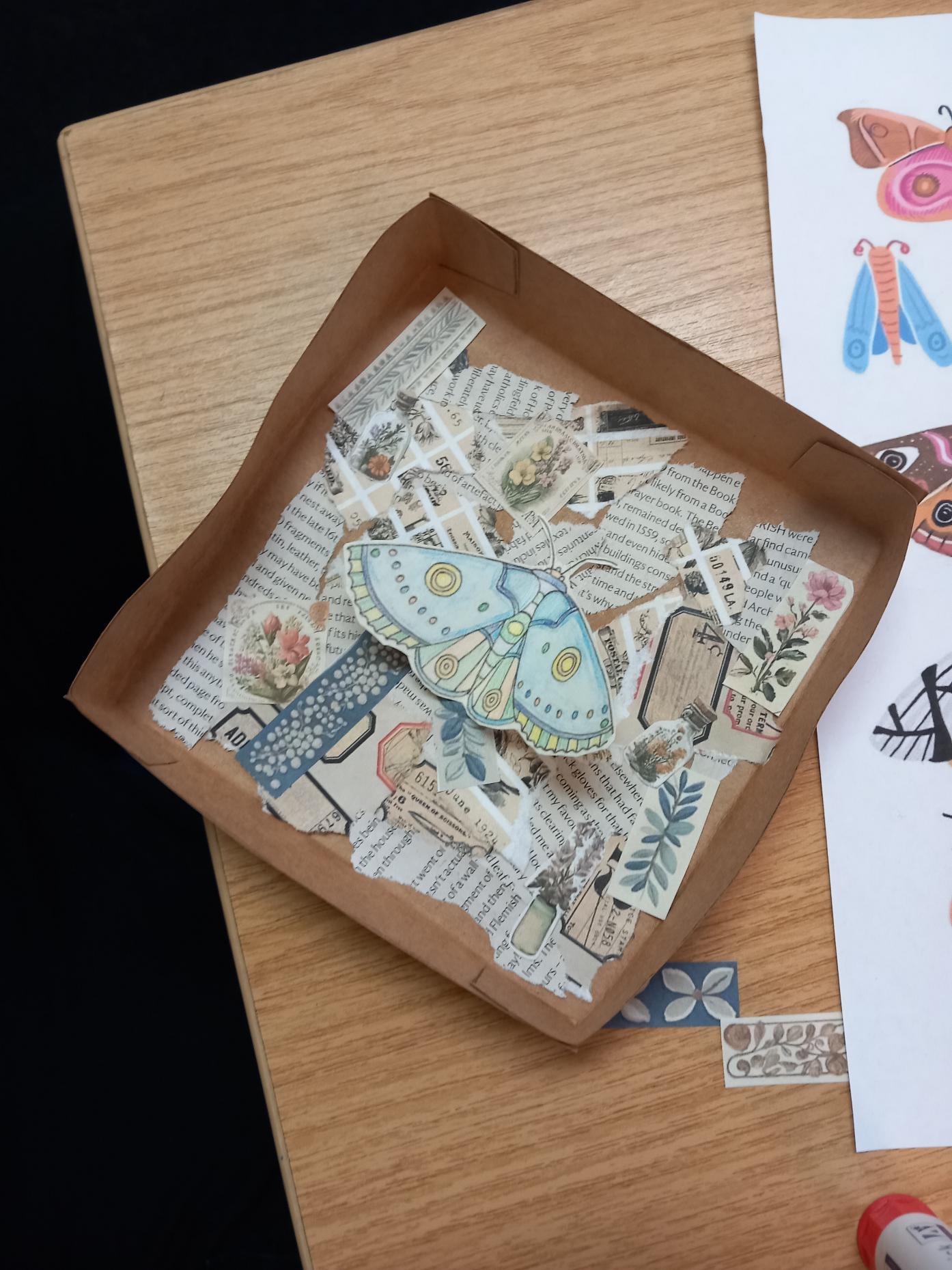
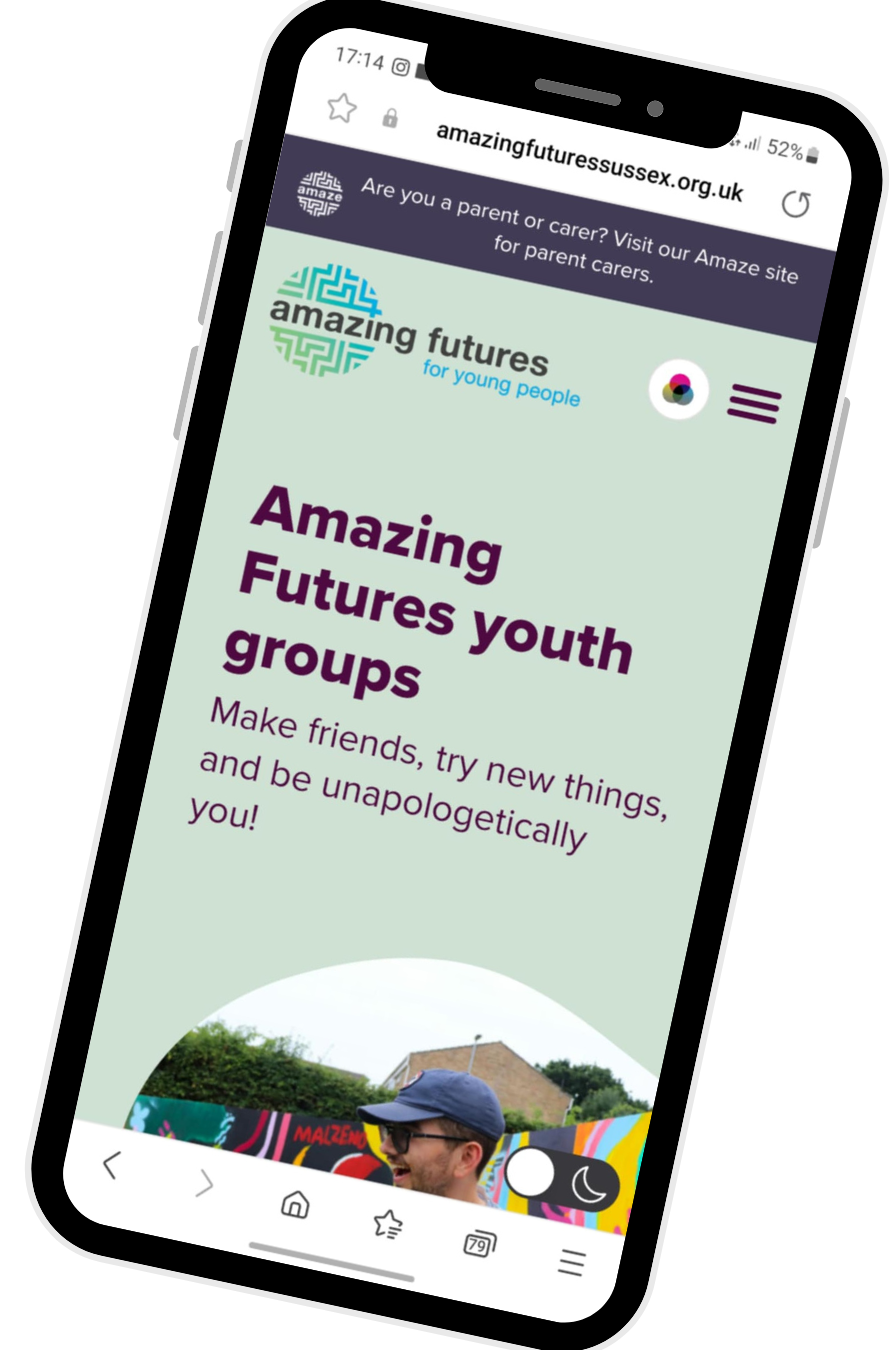 Our Comms and Editorial Assistant, Rose, ran sessions showing what you can find and do on the website, and how to use it. She also ran activities supporting young people to make art and blog posts to share on the website.


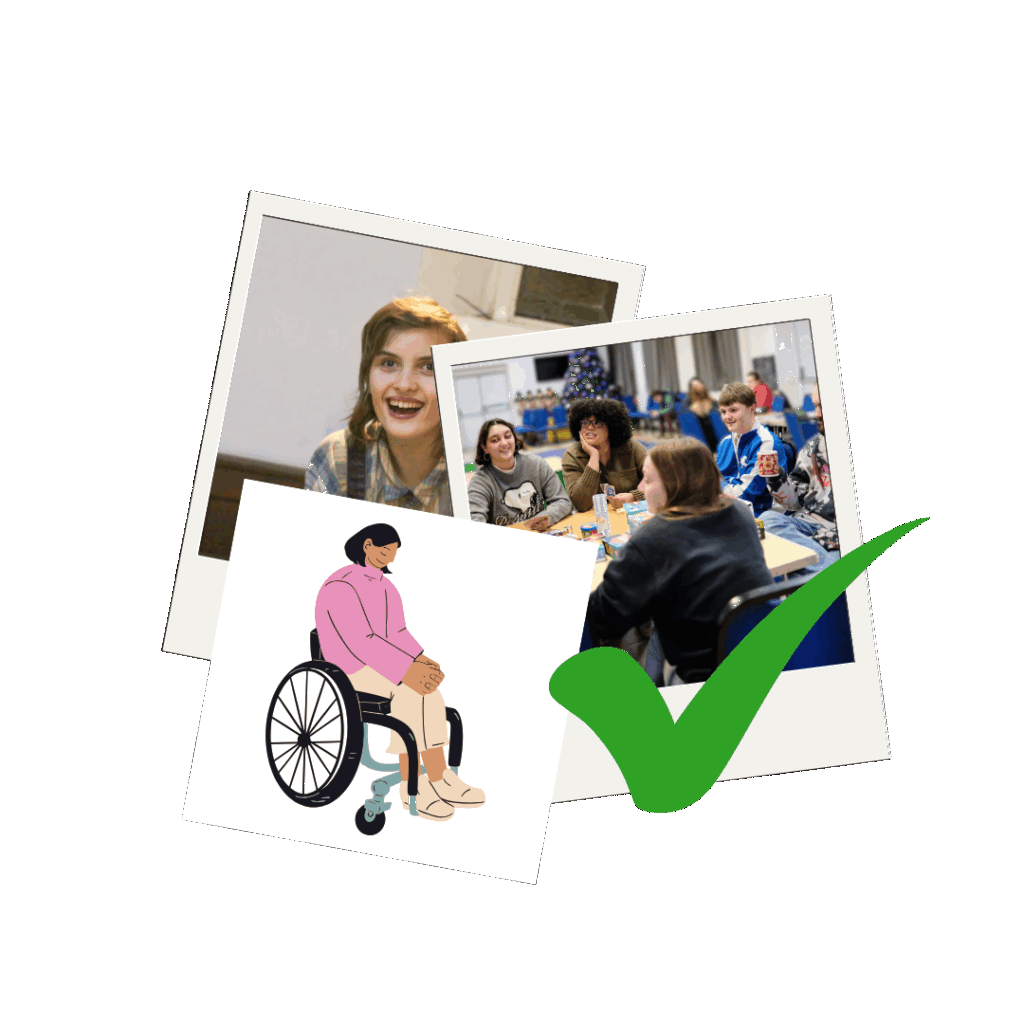


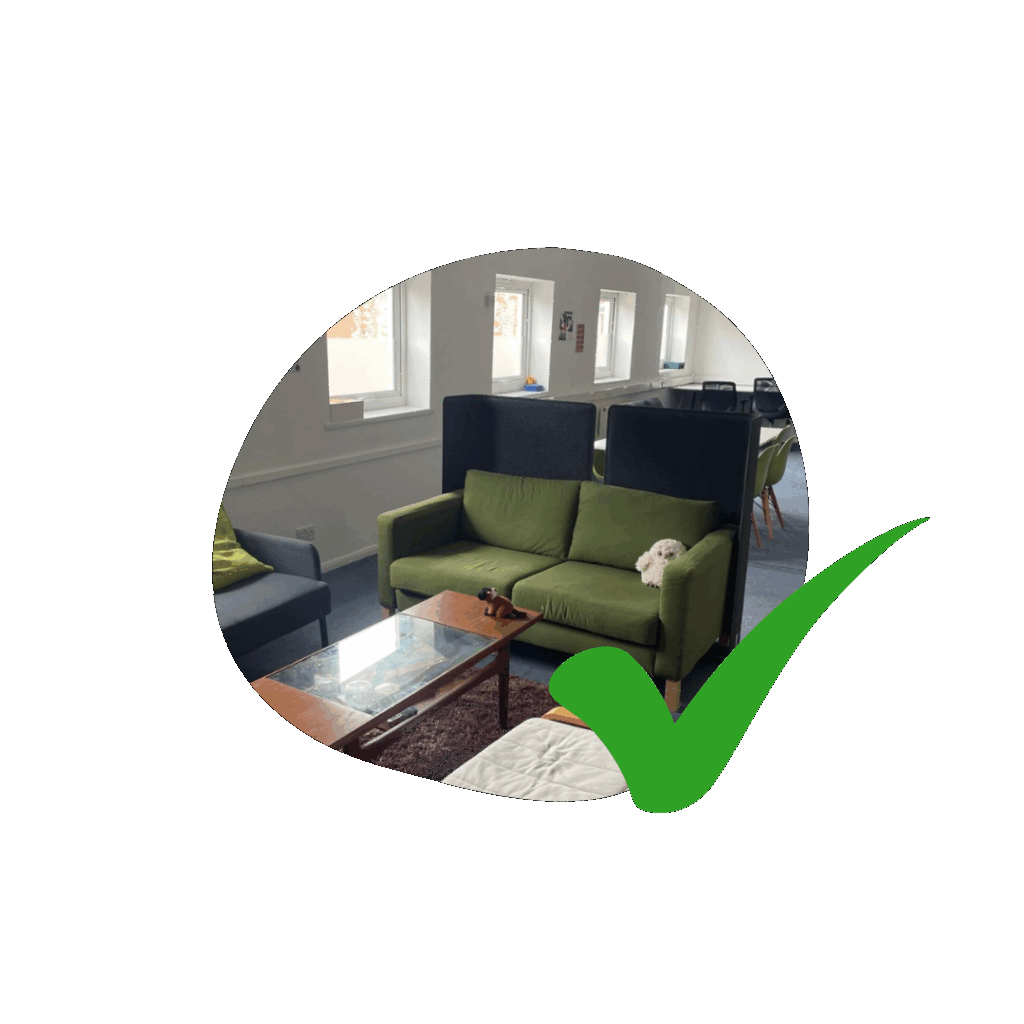






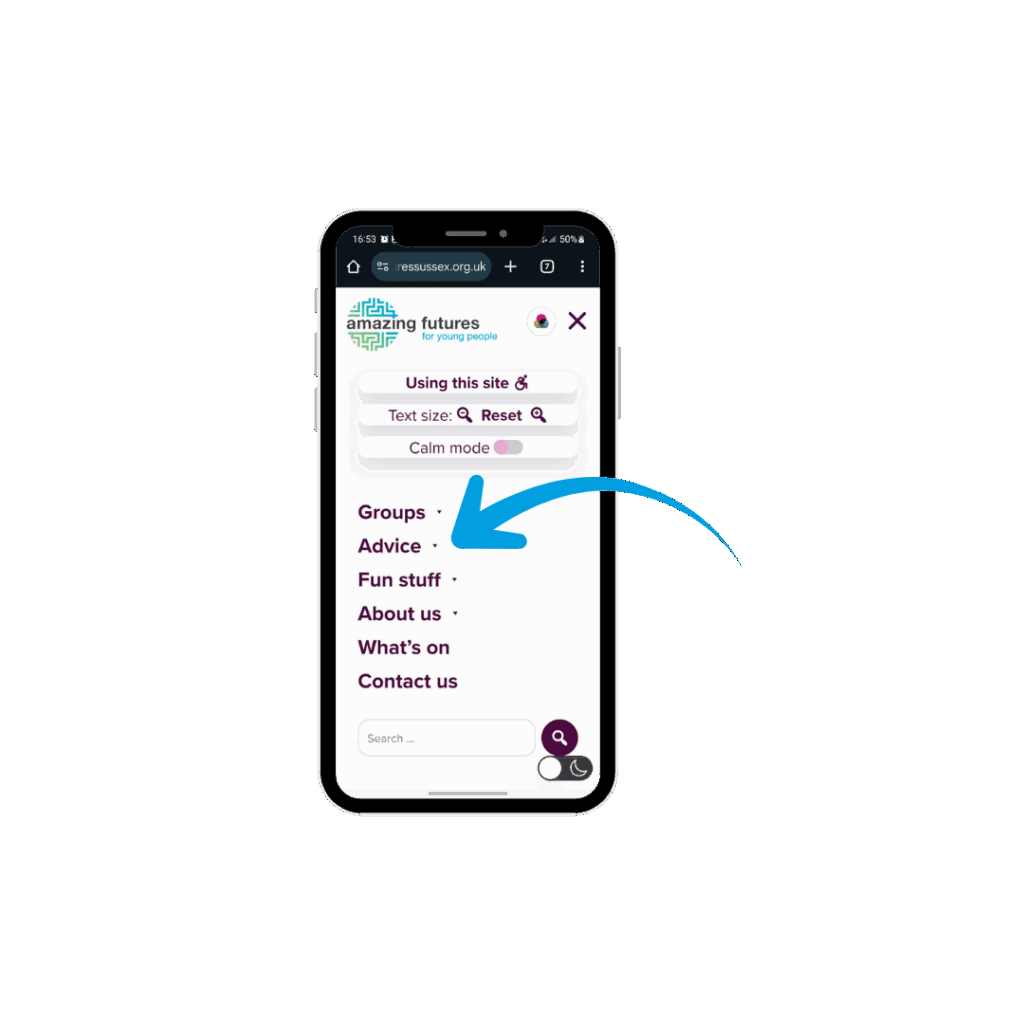
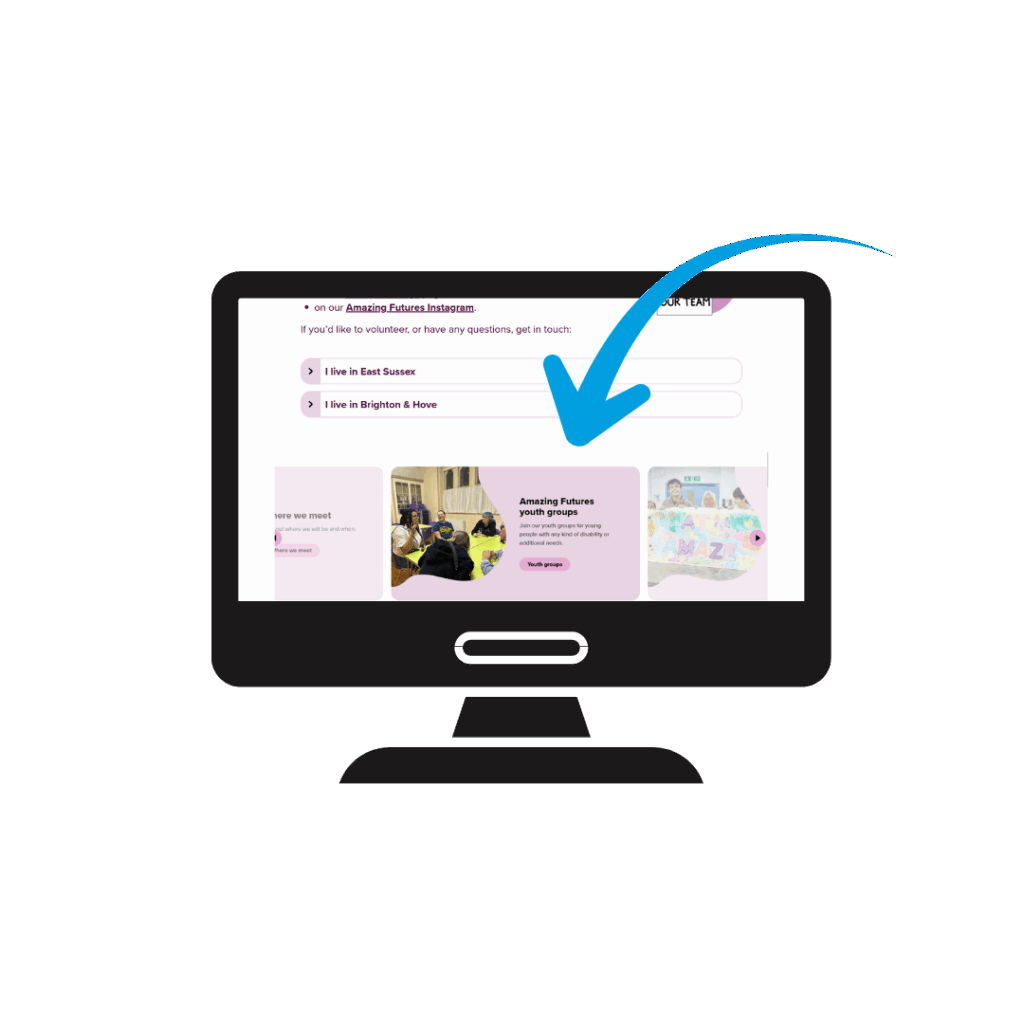
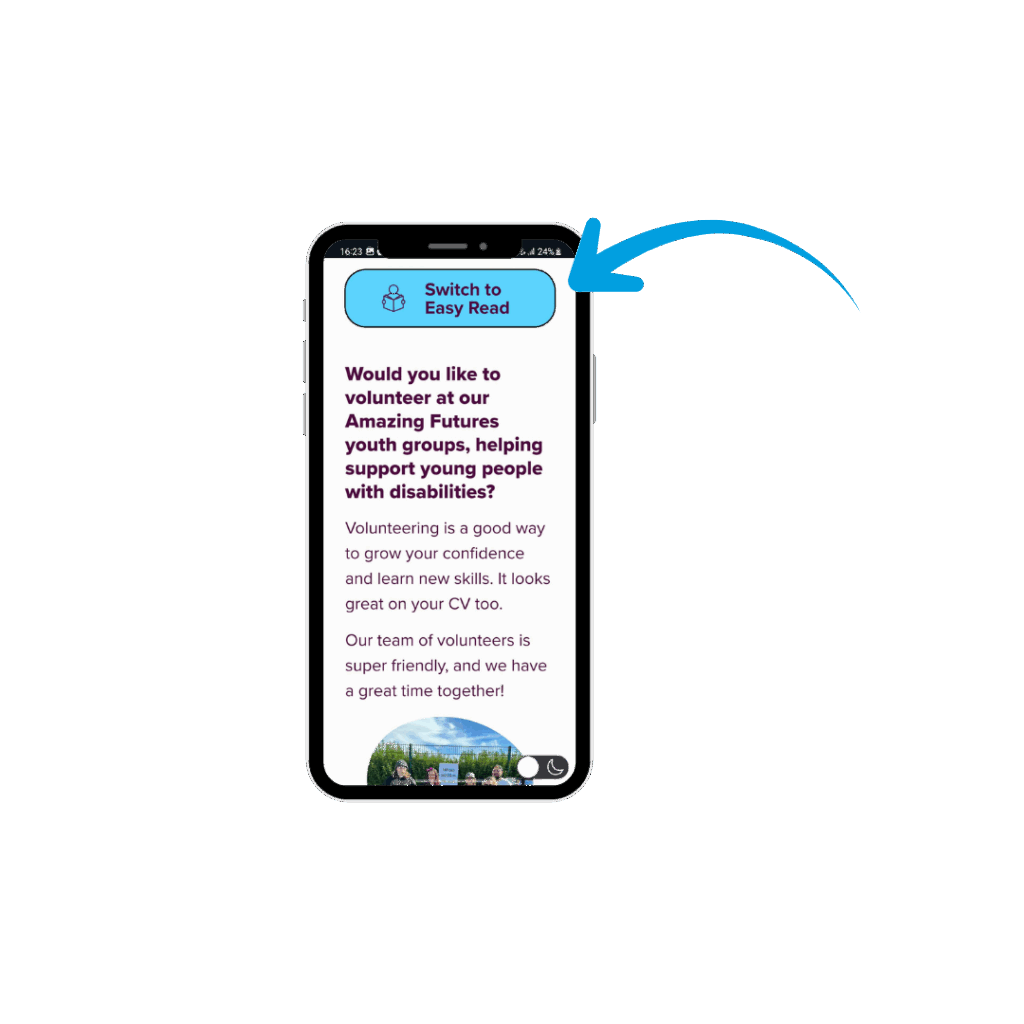
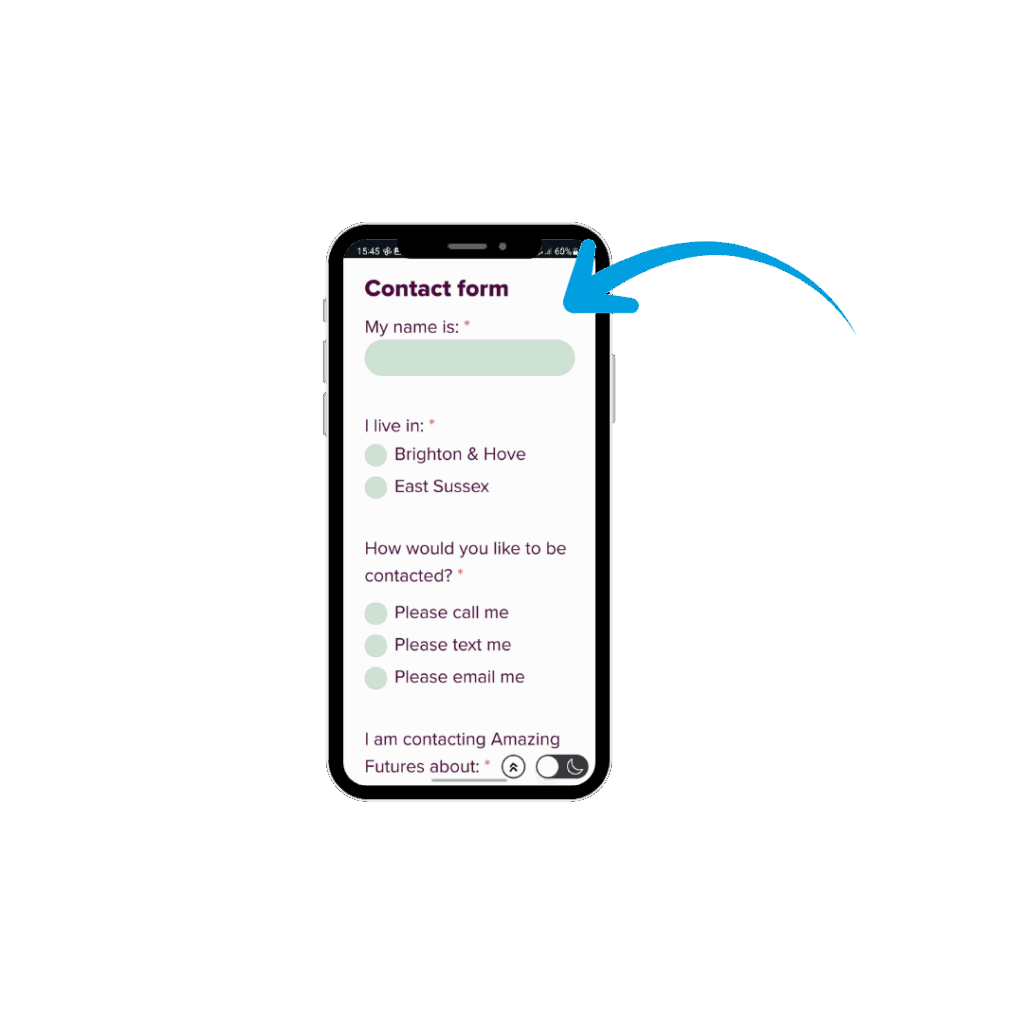
 You told us what you wanted and needed from the website to help us plan it
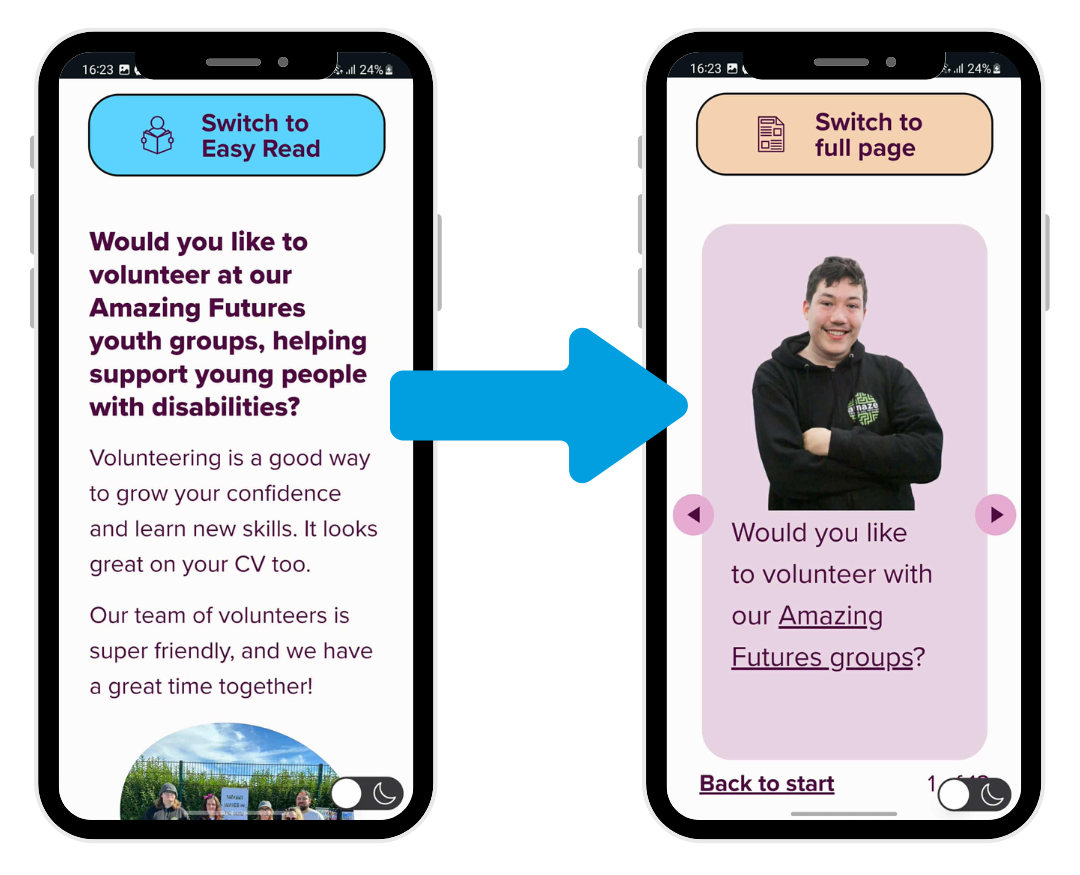 The website has:
 You told us you wanted:
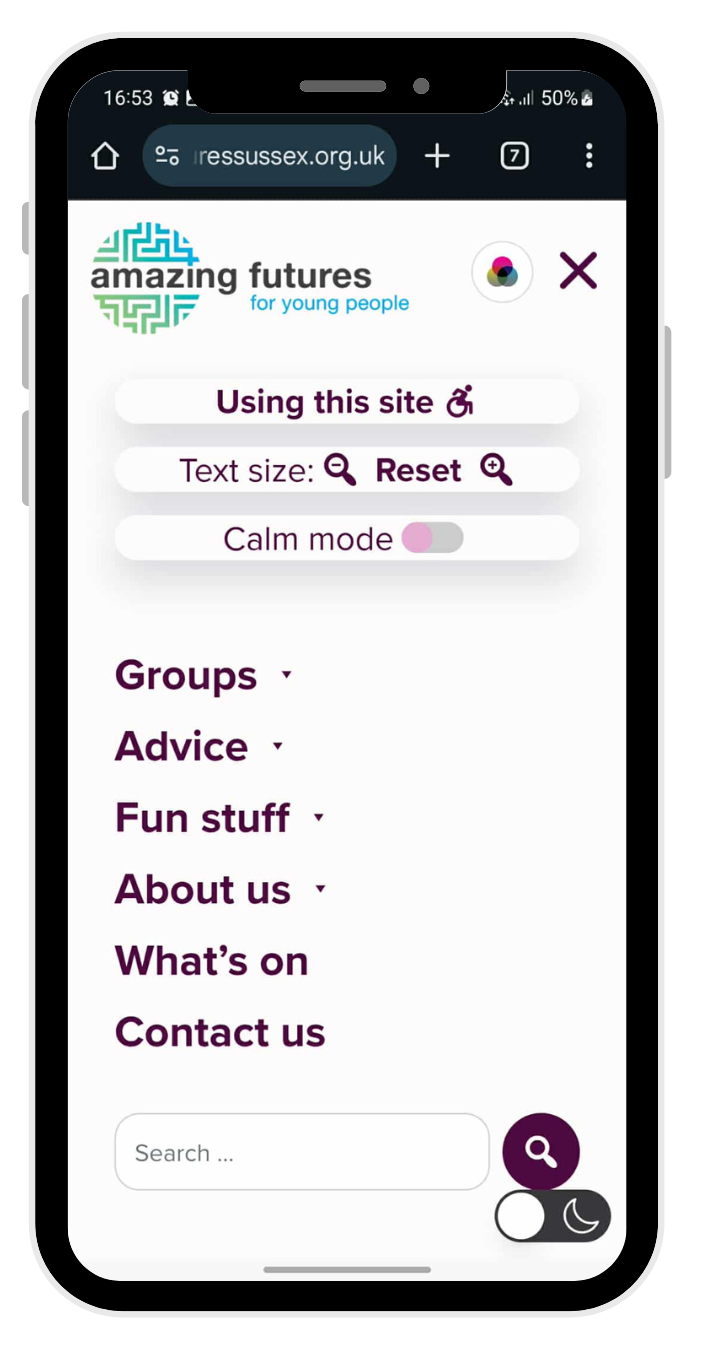 You told us you wanted:
 We got your help to test how easy you found the website to use, and then made changes based on what we learned:







“I enjoyed making things with clay today”