
How to handle rejection sensitivity
Self-care skills for Rejection Sensitive Dysphoria (RSD)

Swipe or use arrows to read 
If you’re feeling bad after your rejection sensitivity is triggered, try these three steps.
Regulate (calm down)



Evaluate (think about things)


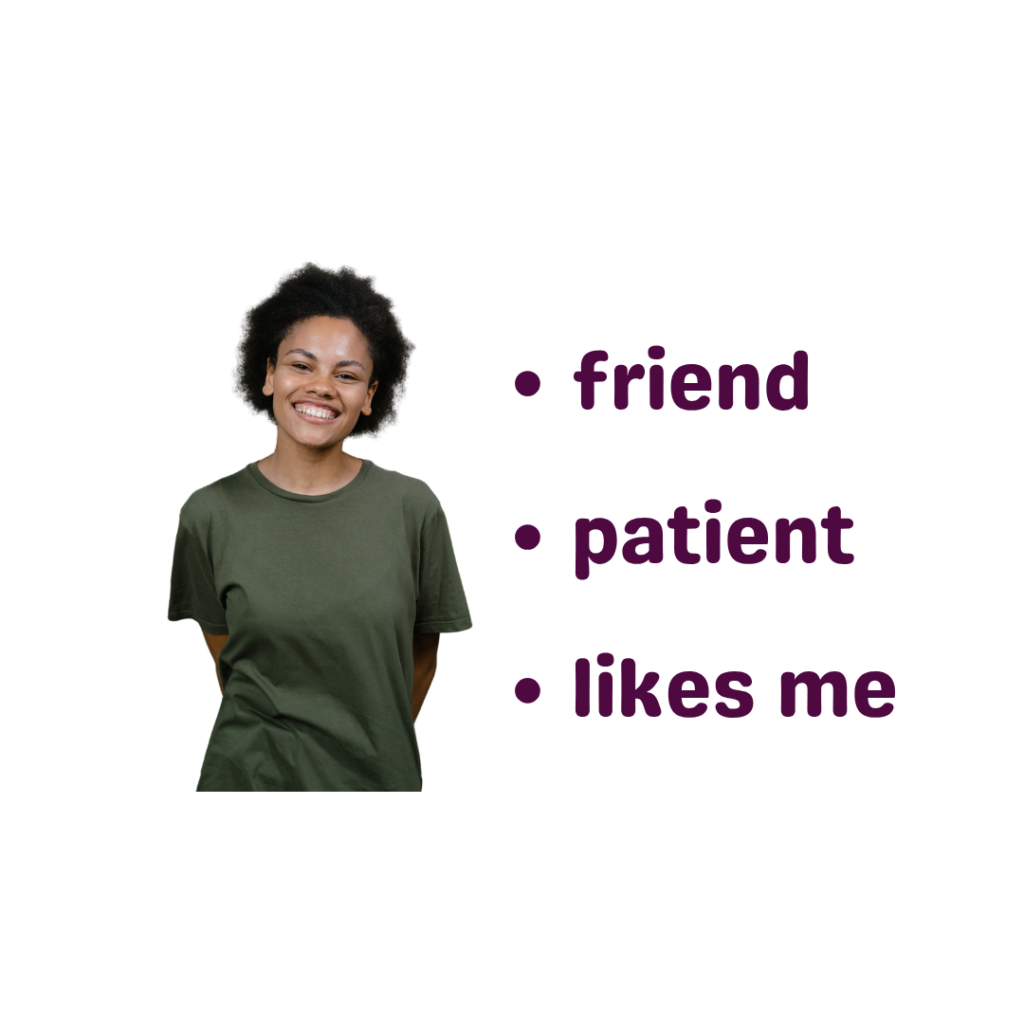
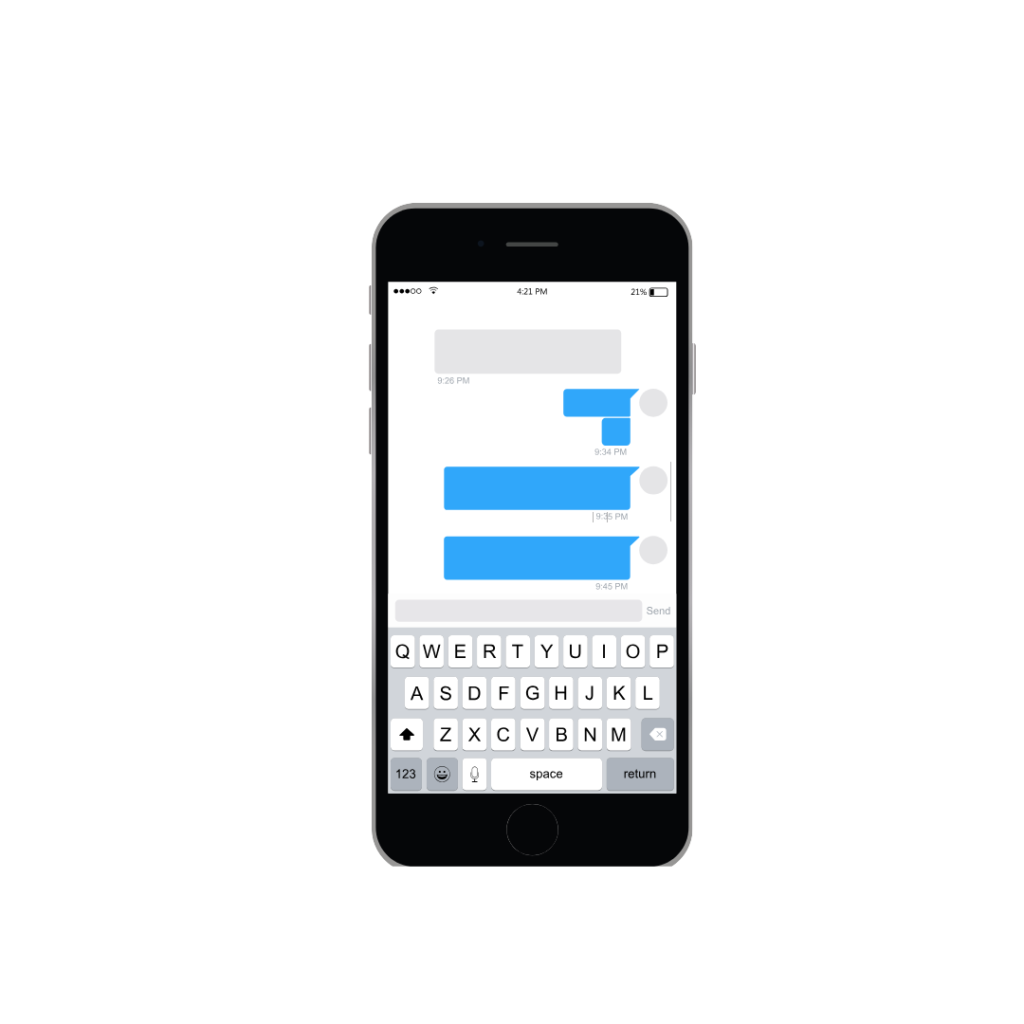
You messaged a friend and they didn’t reply.
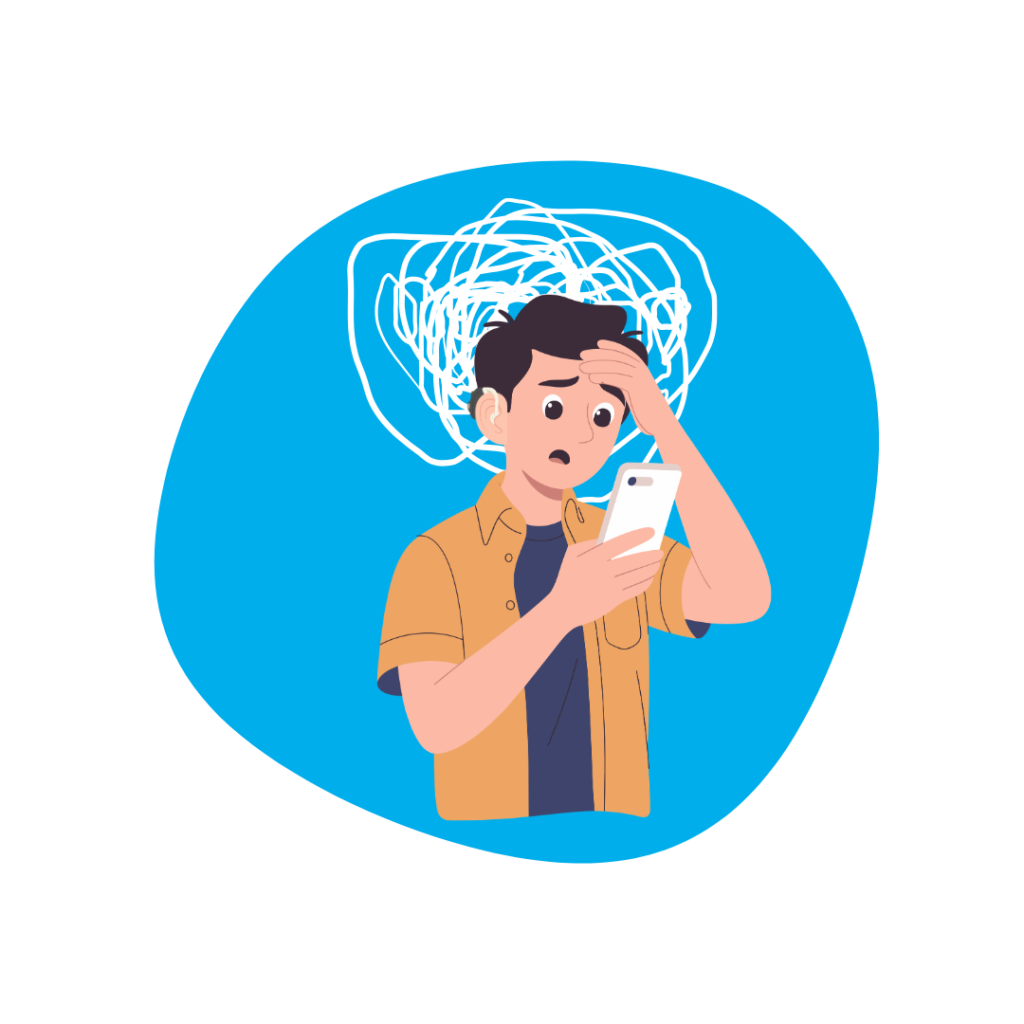
You thought your friend didn’t reply because they didn’t like you.

You remember they were very busy at college, and this was probably why they didn’t reply.


Celebrate (be proud of yourself)

High rejection sensitivity (also called RSD) can be really tough to deal with.
It’s hard to feel so intensely bad any time you feel rejected or criticised. Your friendships and relationships can suffer as a result, too.
You might start trying to avoid any situation where you risk feeling that way. But no one can completely avoid experiencing rejection or criticism, and you’ll miss out on a lot if you try.
If you learn how to respond and how to look after yourself, you can develop coping skills that support you when it does happen.
Self-care skills for rejection sensitivity
If you’re feeling bad and having trouble moving forward after your rejection sensitivity is triggered, try these three steps:
(click on them to learn more)
Step 1: Regulate
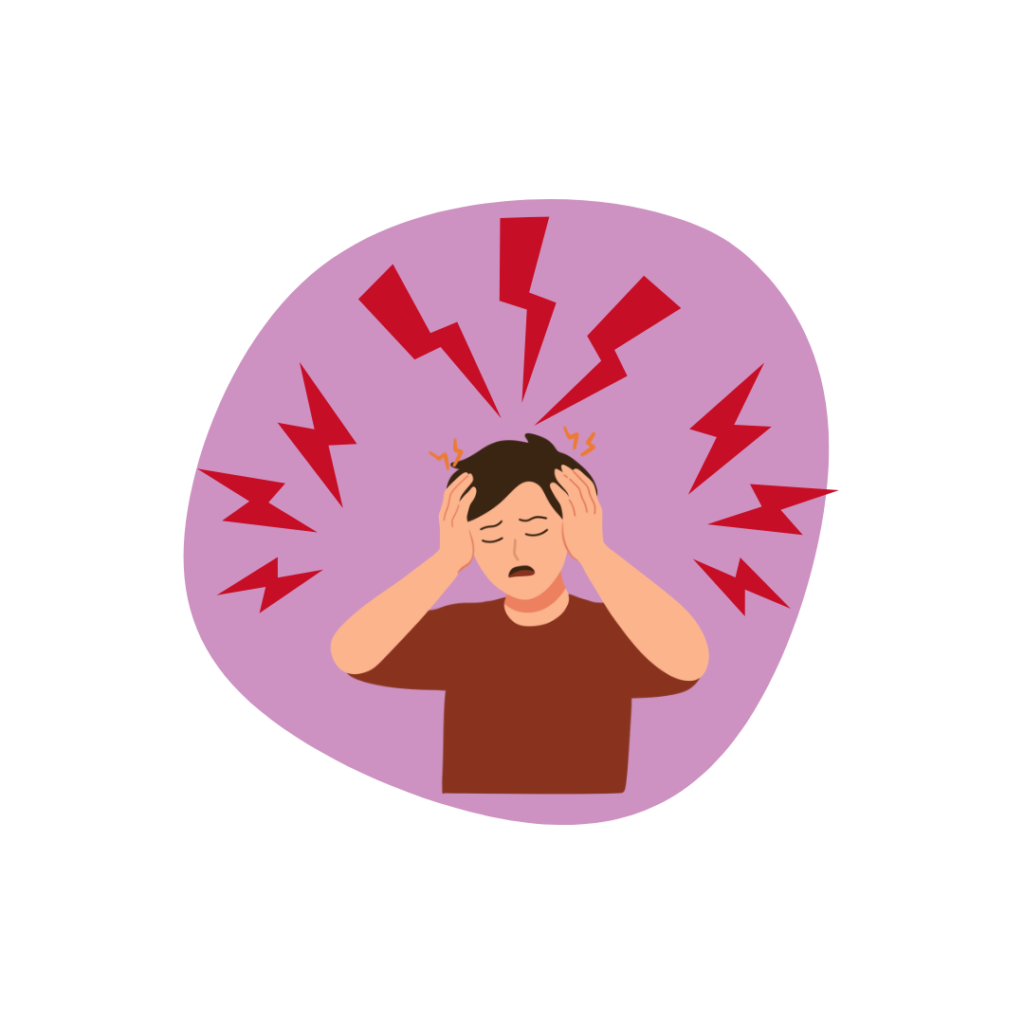
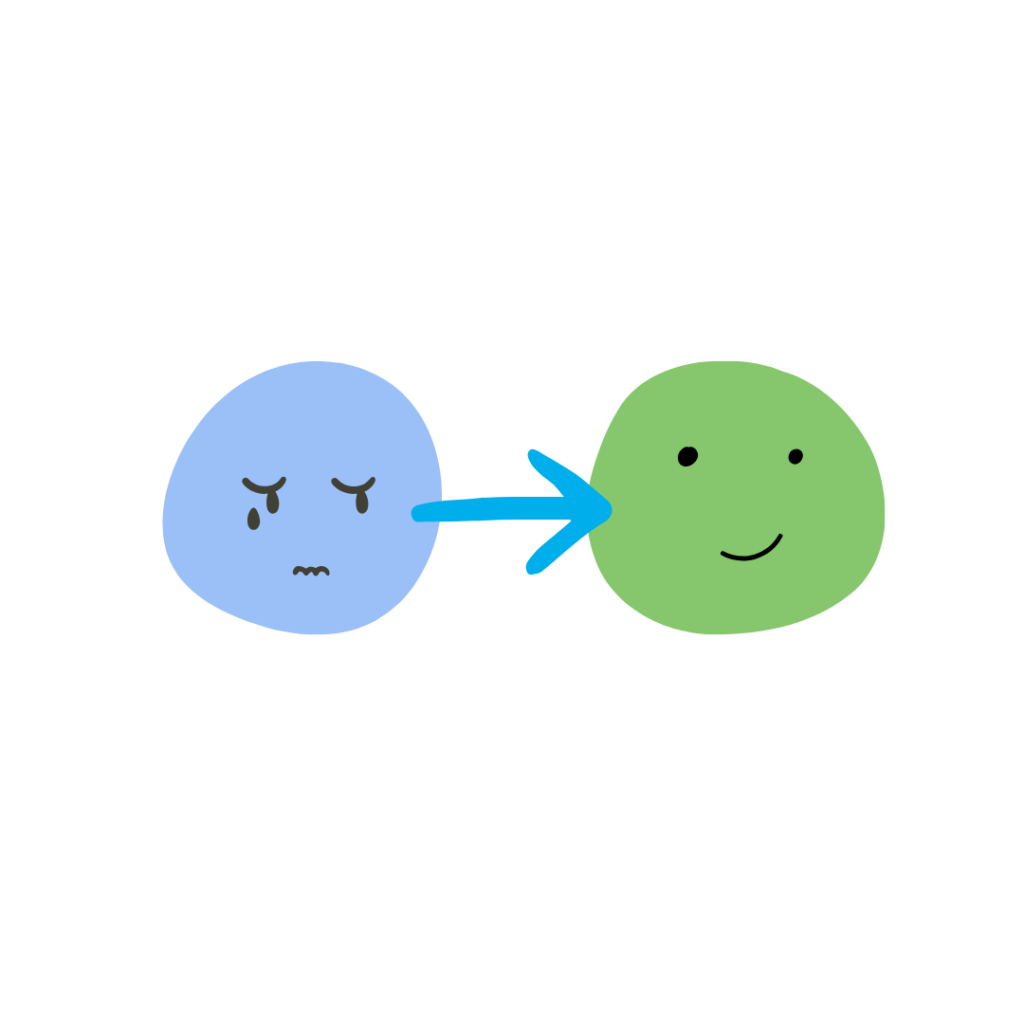
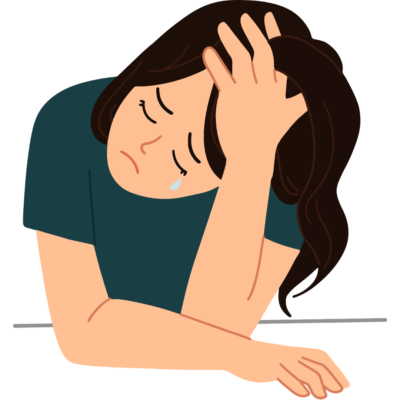 The first step is to regulate and calm down: when your brain feels threatened and unsafe, it’s almost impossible to think clearly.
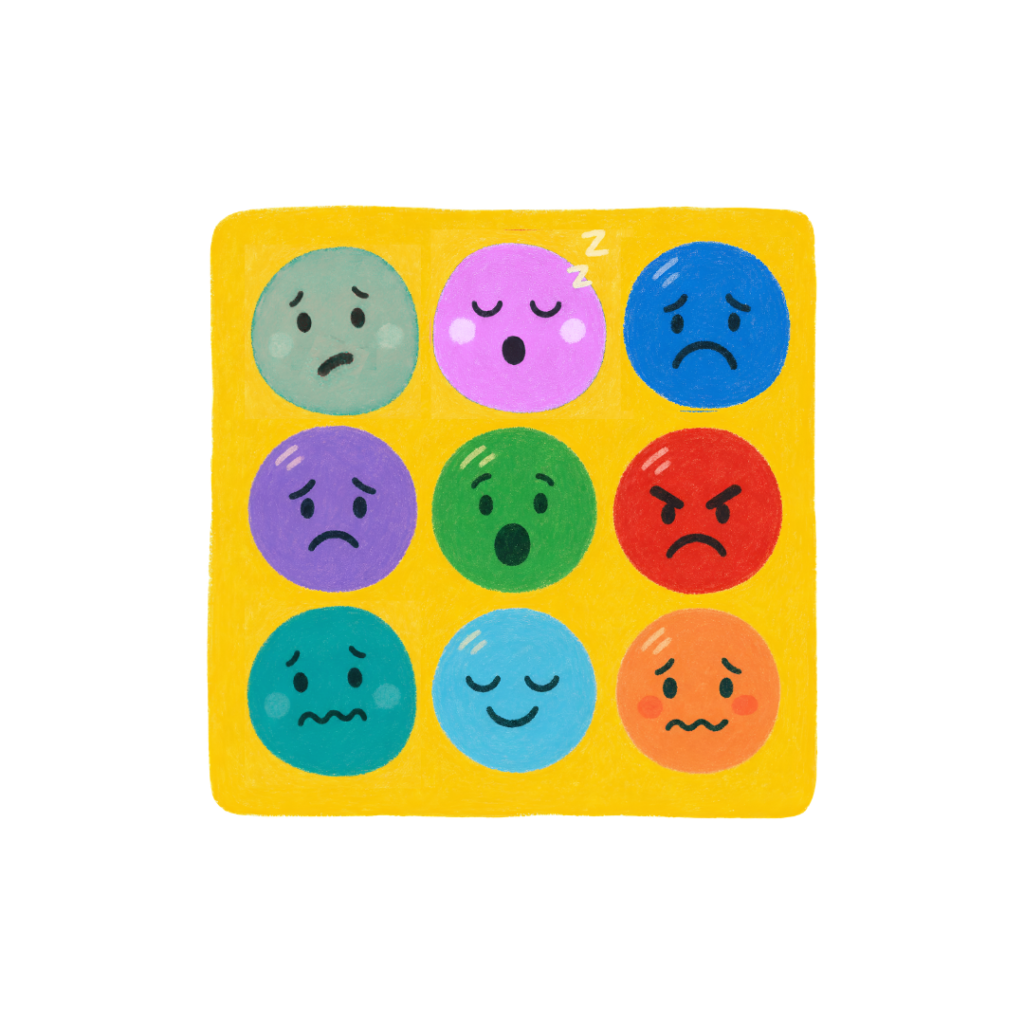
Allow yourself to experience your emotions so that you can begin to process them. For example, if you’re holding back tears, let yourself cry – it can bring a lot of relief. Or if you’re pushing down anger, let yourself feel it instead.
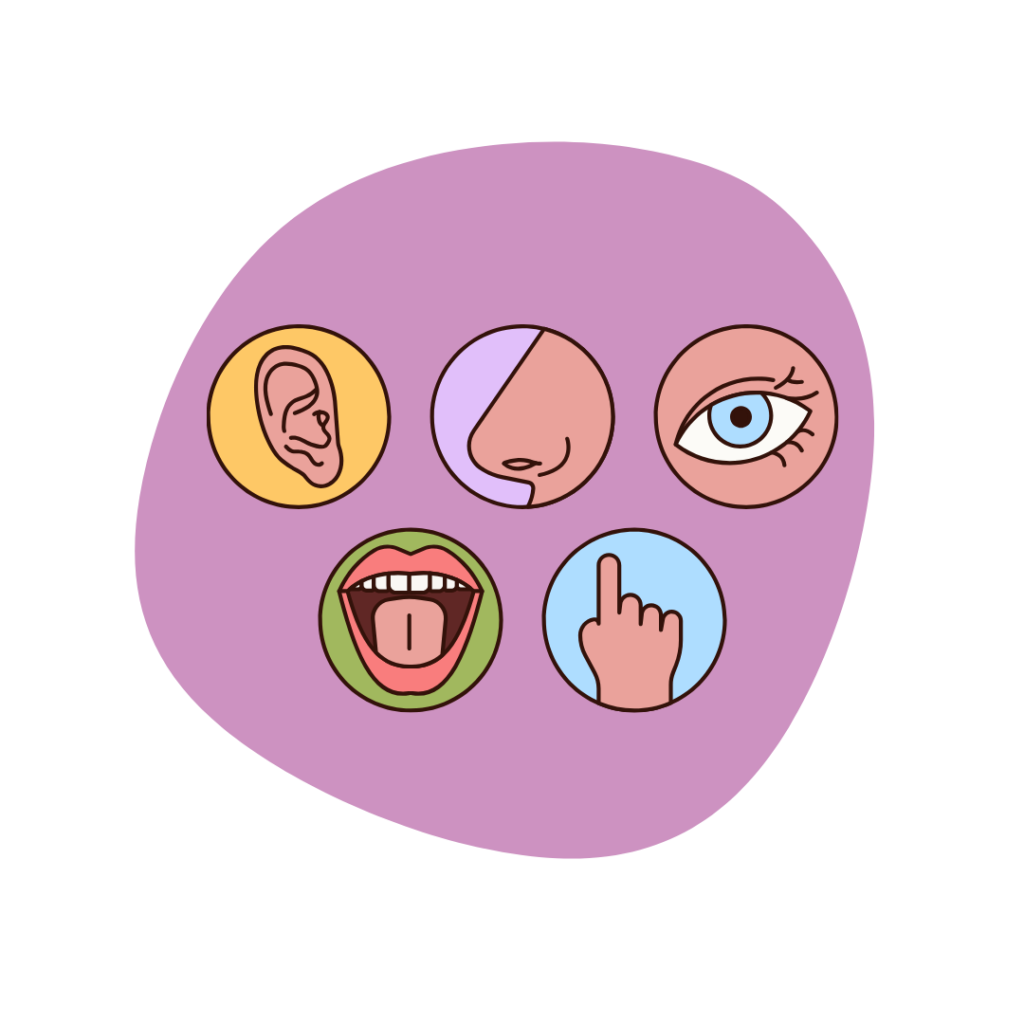
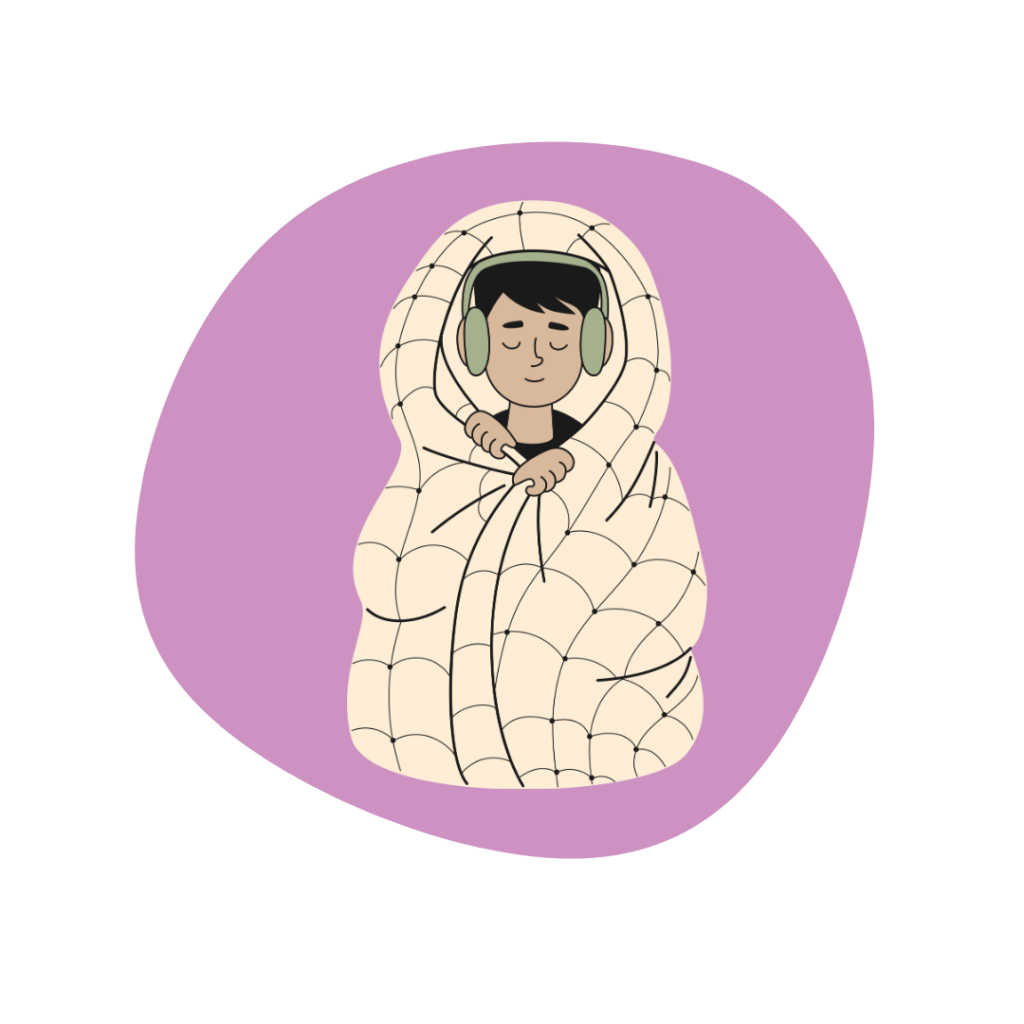
Pleasant sensory experiences could help you feel more grounded – you could ‘stim’ by moving around, touch something soft, or look at a lava lamp – whatever brings you comfort!
Step 2: Evaluate
When you are feeling calmer, you can begin to check the situation and think about your response.
Ask yourself: what was the story in the situation that caused you to feel such a strong emotion? Then you can see if this story matches up with information you know when you feel calmer and are not under threat of rejection or criticism.
 Example scenario
In a scenario we used elsewhere, you sent a message to a friend, and they didn’t respond all day.
In the moment… it feels personal, and makes you upset
When you feel calmer… you are able to remember relevant facts and think more logically. You remember your friend told you that they are overwhelmed at college, and realise this is a more likely reason that they didn’t reply.
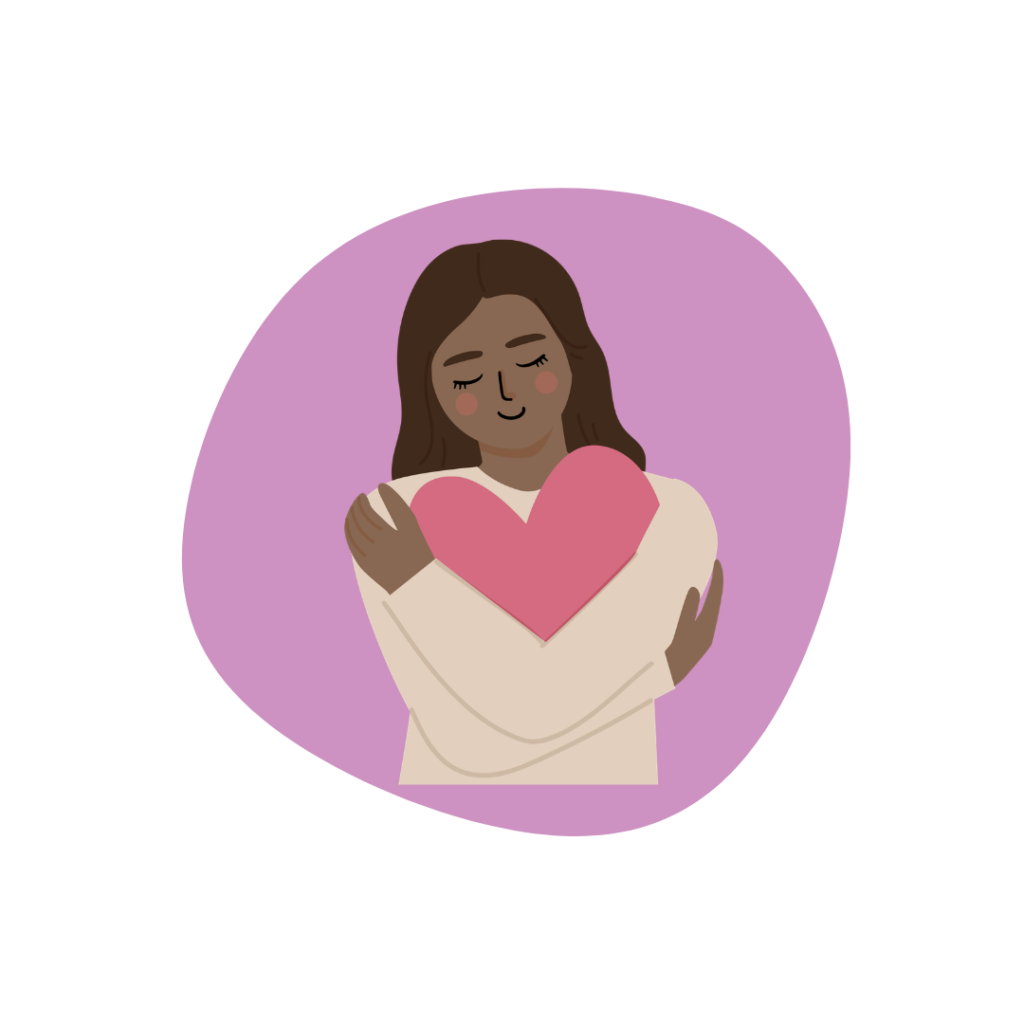
Step 3: Celebrate
It can help to celebrate yourself and accept your sensitivity as part of what makes you who you are.
Although it can be challenging, being sensitive can be a skill and a beautiful thing that allows you to connect to others. And if you were able to reflect on your feelings afterwards, this will prepare you to understand how you feel in the future.
Improving your coping skills, communication and self-awareness is something to be celebrated!