
What is rejection sensitivity?
Many people with ADHD experience this, but others can too.








What does rejection sensitivity feel like?

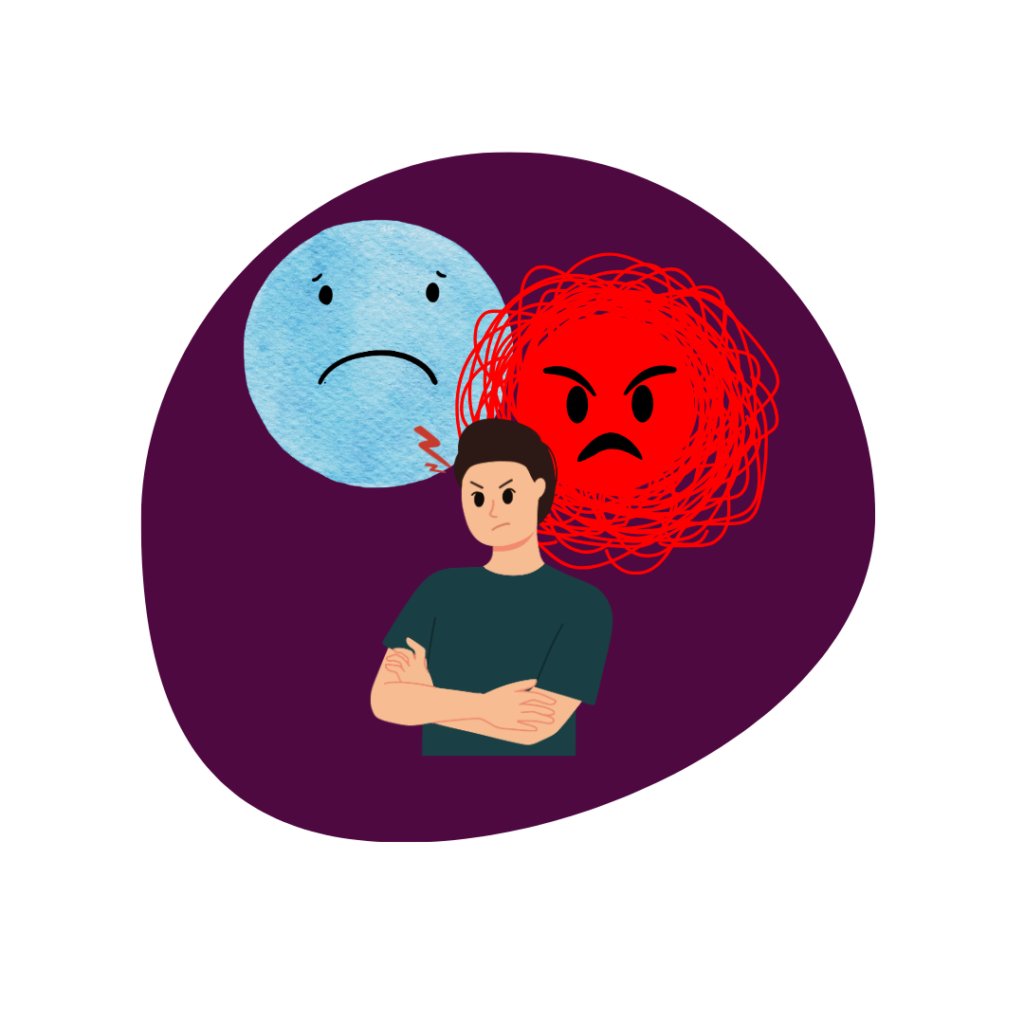
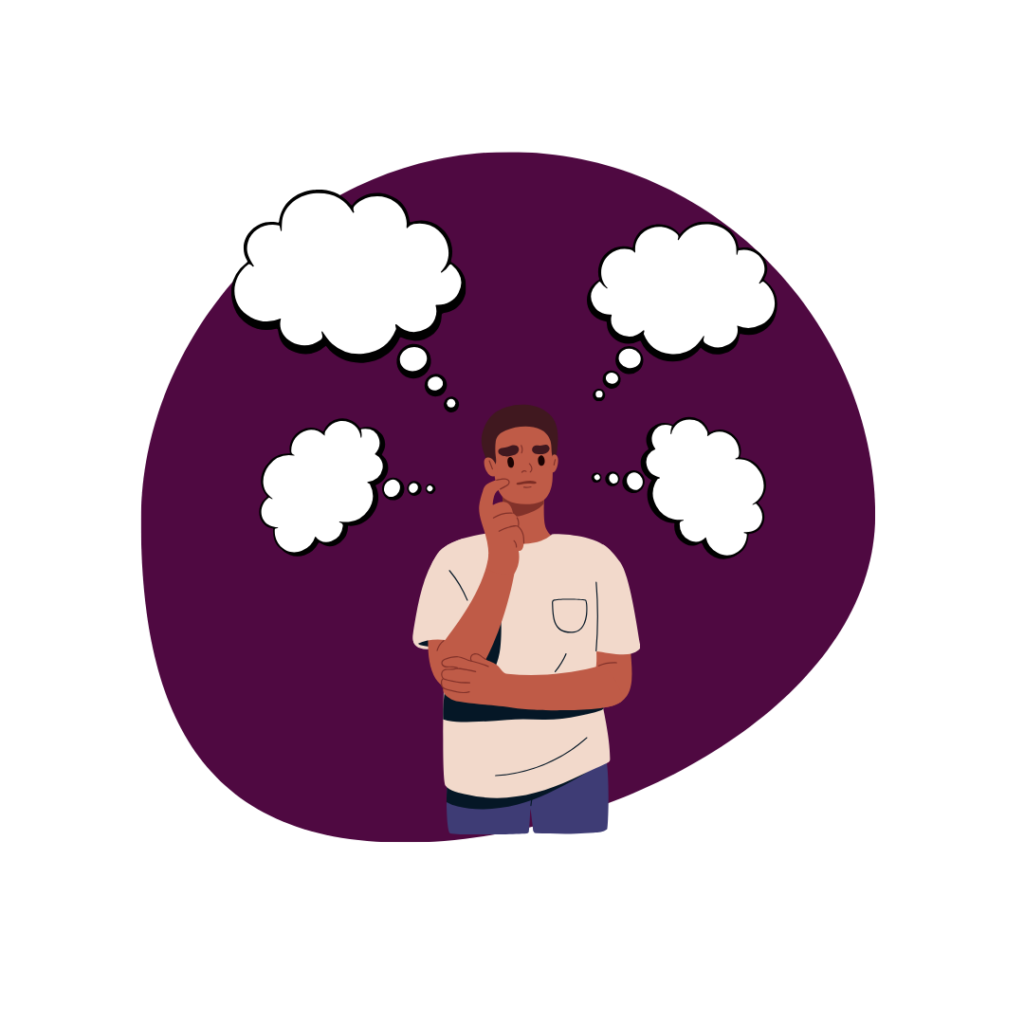
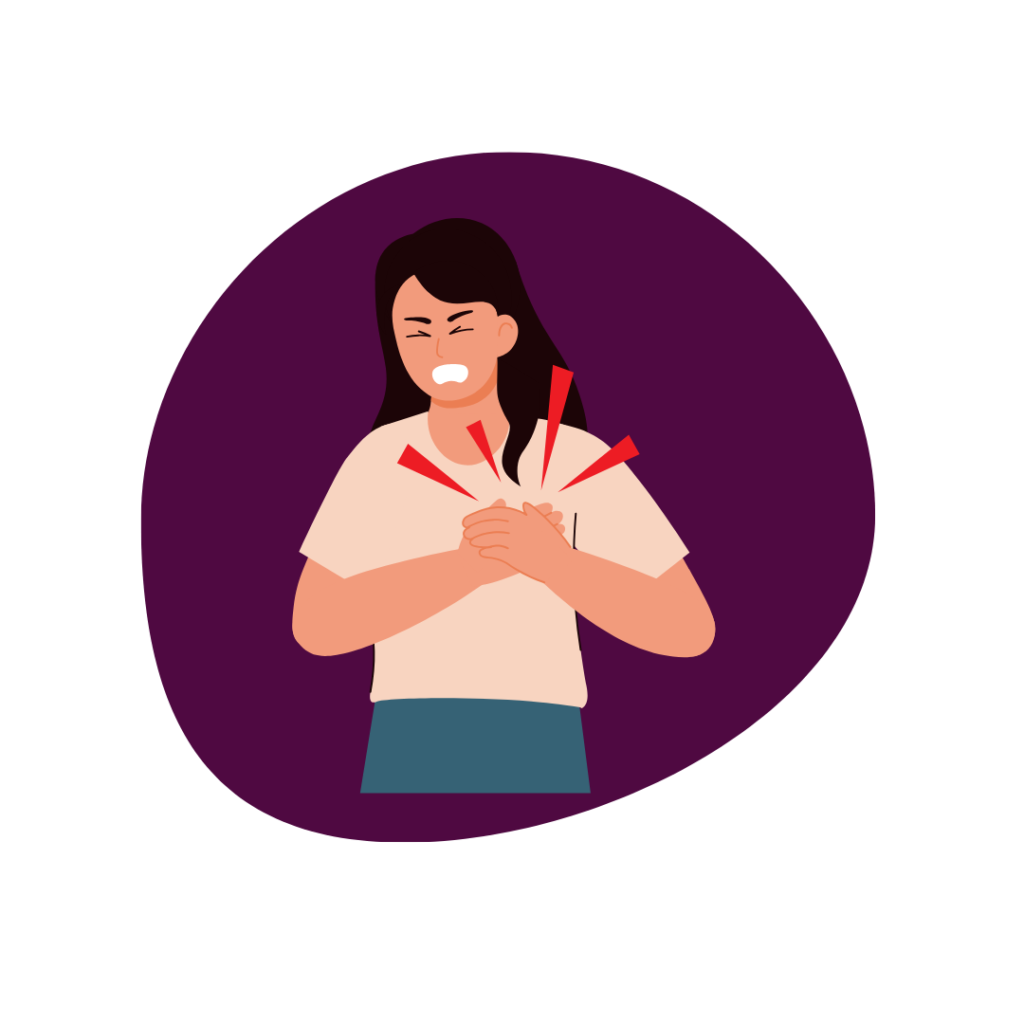
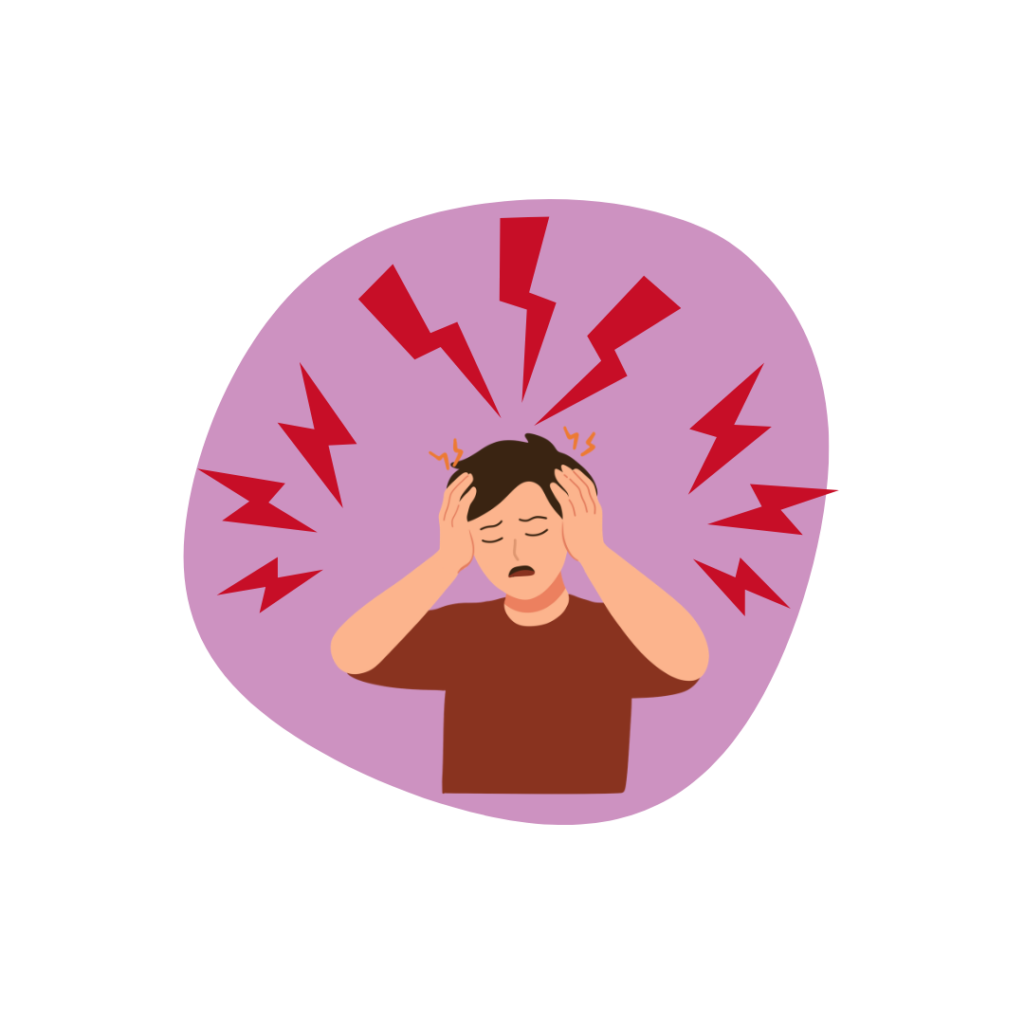
'Rejection sensitivity' is a term that describes a strong emotional reaction to rejection or criticism.
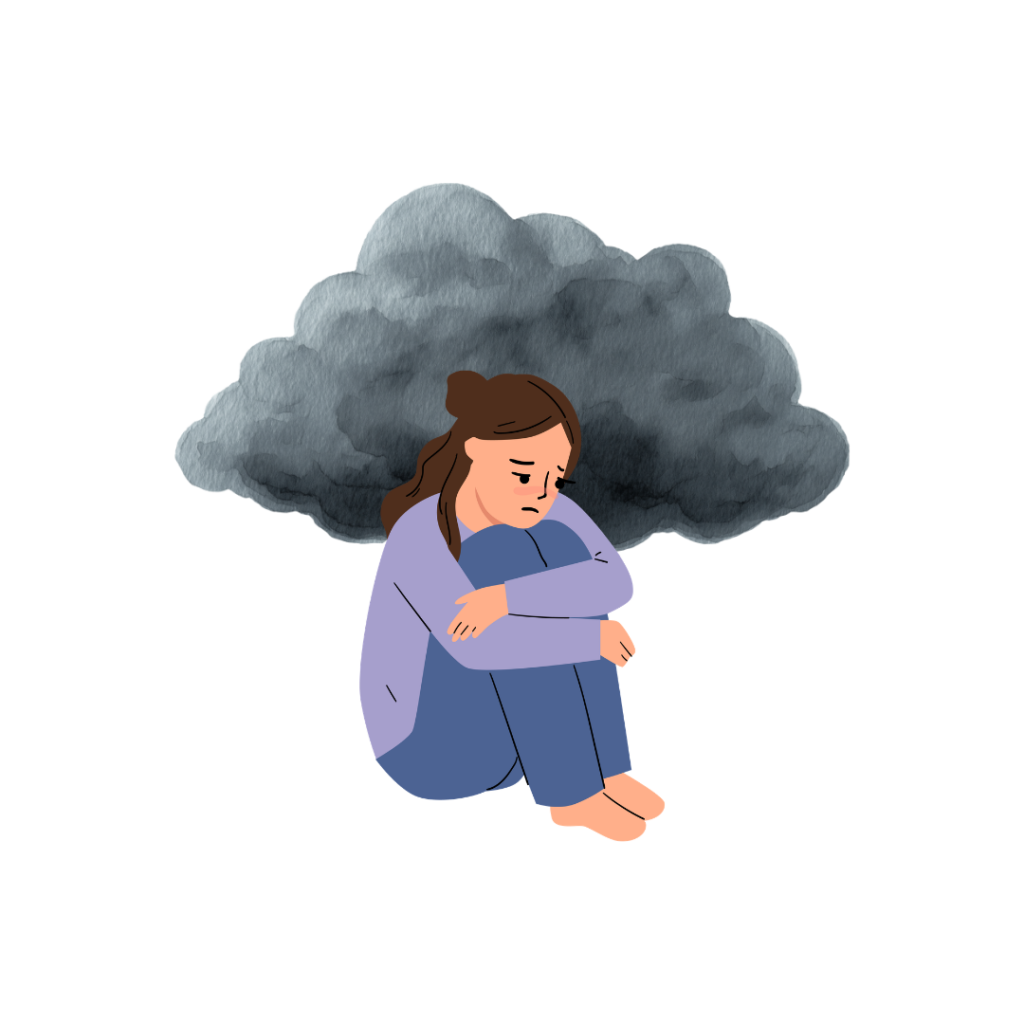
You might feel ashamed and upset, and shut down. Or you could feel angry and defensive, and explode.
Some people describe it as intense emotional pain.
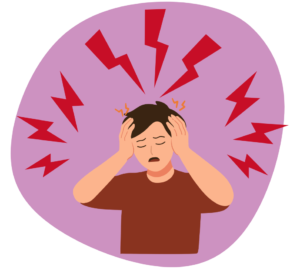
Everyone finds rejection difficult, but when it has a big impact on your life, it is called Rejection Sensitive Dysphoria (RSD). It is often associated with ADHD but people with other needs can experience it too.
As well as experiencing feelings of rejection or criticism strongly, you’re likely also on high alert for being rejected or criticised, and can interpret things that way when that’s not what’s really happening.
 Example scenario:
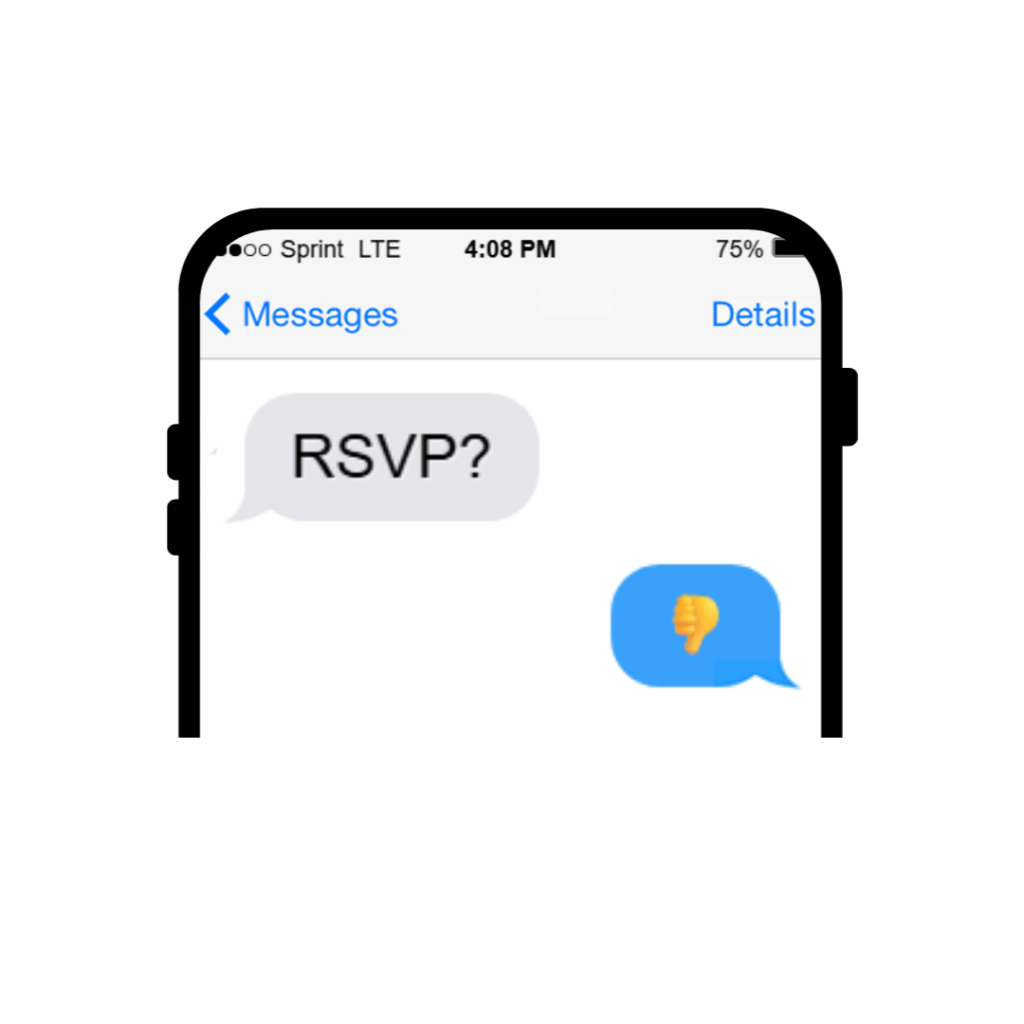
You send a message to a friend, but they don’t respond all day.
If you have high rejection sensitivity, you might take this personally and worry that the person hasn’t responded because they don’t like you, or you did something wrong.
You don’t actually know if these things are true, but you feel really bad, like you would if they really did reject you.
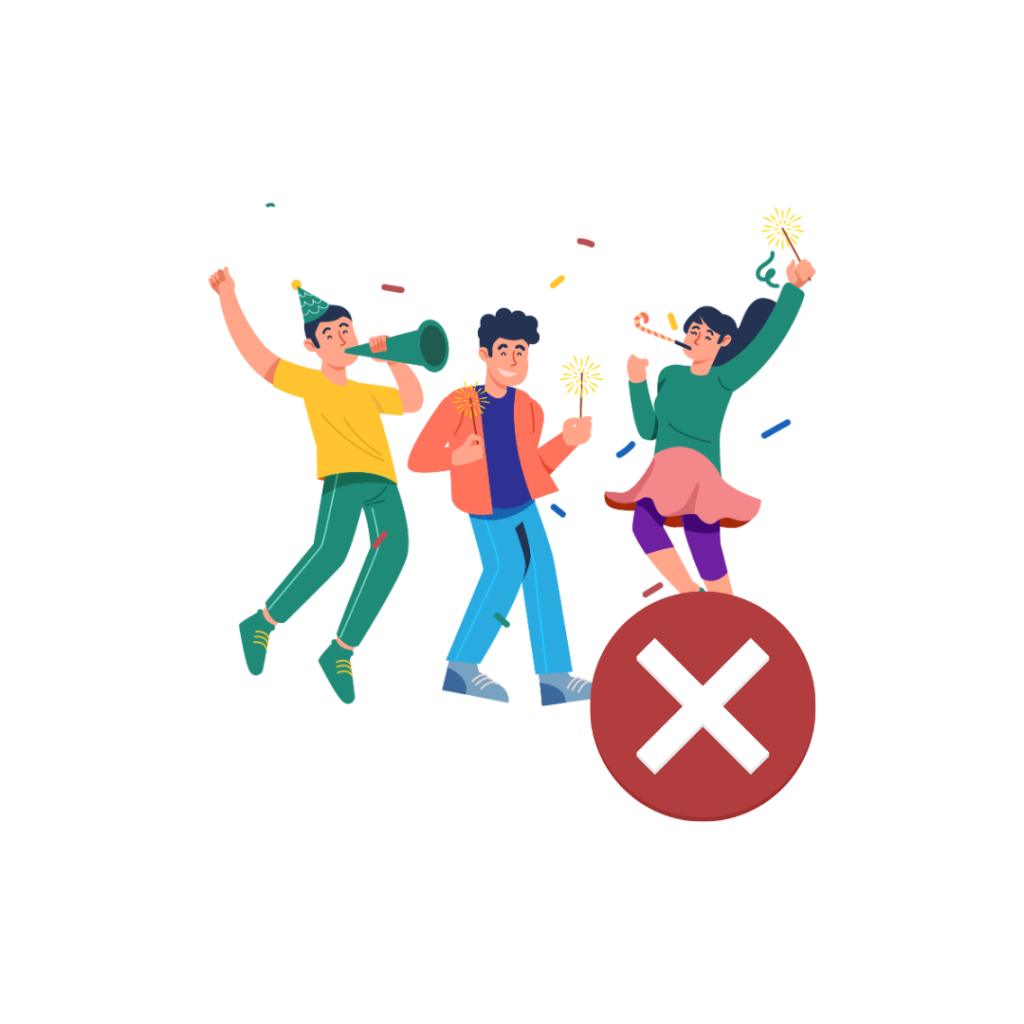
You might find yourself avoiding situations where you think there’s any risk at all that you could be rejected or criticised, because you find it so painful. But as a result, you could become very socially isolated and miss out on great opportunities and experiences. You could become depressed and anxious too.
What does rejection sensitivity feel like?
Rejection sensitivity feels different to everyone. Here are some common themes (click on them to learn more):
extreme emotional response
You could feel many emotions, like anxiety, shame, sadness, anger, or a mixture. The common theme is that these emotions are very intense, and affect you more strongly than they do those with low rejection sensitivity.
Some people feel suicidal in the moment, or have self-harm urges.
strong feelings in the body
Many people feel physical sensations in their body. This could be crying, feeling hot or blushing, feeling a ‘lump’ in your throat, pain or aching feelings in the chest, fast heartbeat, or feeling dizzy.
overthinking the rejection or criticism
A person with high rejection sensitivity may overthink the situation where they experienced rejection, and feel emotions for a long time afterwards. This makes it difficult to forget about it and move on.
If you have high rejection sensitivity, read our how to handle rejection sensitivity page for some useful tips and advice.